
Ceramic Coating Exhaust Manifold: High-Heat Prep and What to Send
The manifold is on the bench, and you can read the heat in the metal. The runners are darker where the gas collected, the flange is stained around the studs, and the old finish is flaking at a merge or along the outlet. You already know what you have. What you want to know is what can actually be done with it.
Ceramic coating exhaust manifold work is a high-heat exhaust finish, not the paint-ceramic or paint protection film people mean when they talk about washing a hood. It is a coating chosen for metal that gets hot, stays hot, and cycles between the two while the engine is running. That distinction matters on this keyword, because the same word is used for three very different products, and only one of them belongs on a manifold.
This guide walks through what that finish is for, which manifolds are good candidates, how prep and masking work around ports and flanges, how this job differs from a header coat, and what to photograph so the shop can give you a straight answer.
What Ceramic Coating Exhaust Manifold Jobs Involve
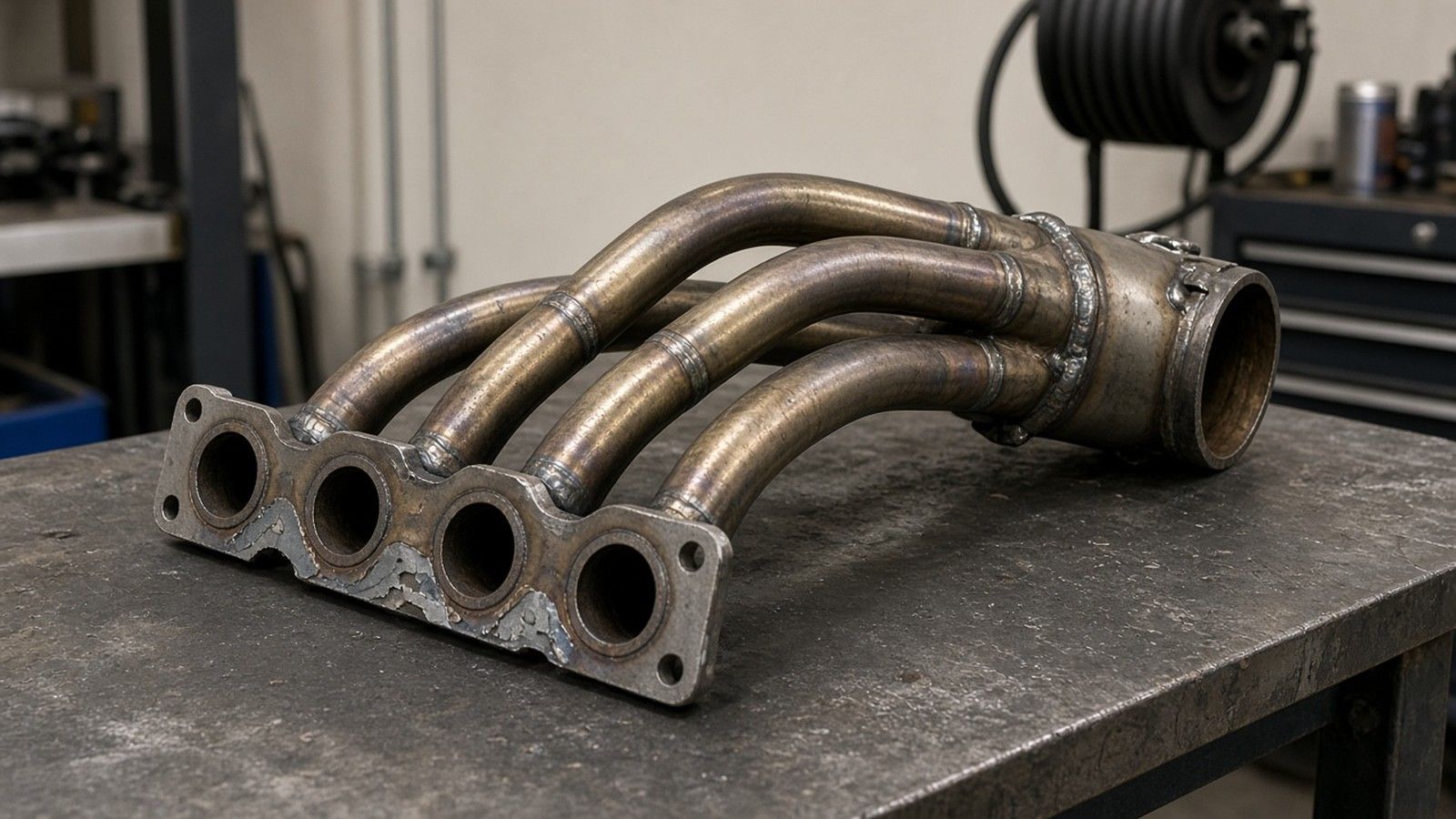
At its core, this is the application of a high-heat ceramic finish to an exhaust manifold: a part that lives next to the head, collects exhaust from the ports, and hands that heat off to the rest of the system. The coating is meant for that environment. It is not a wax, a sealant, or a clear film for bodywork, and it is not a color-change product for wheels.
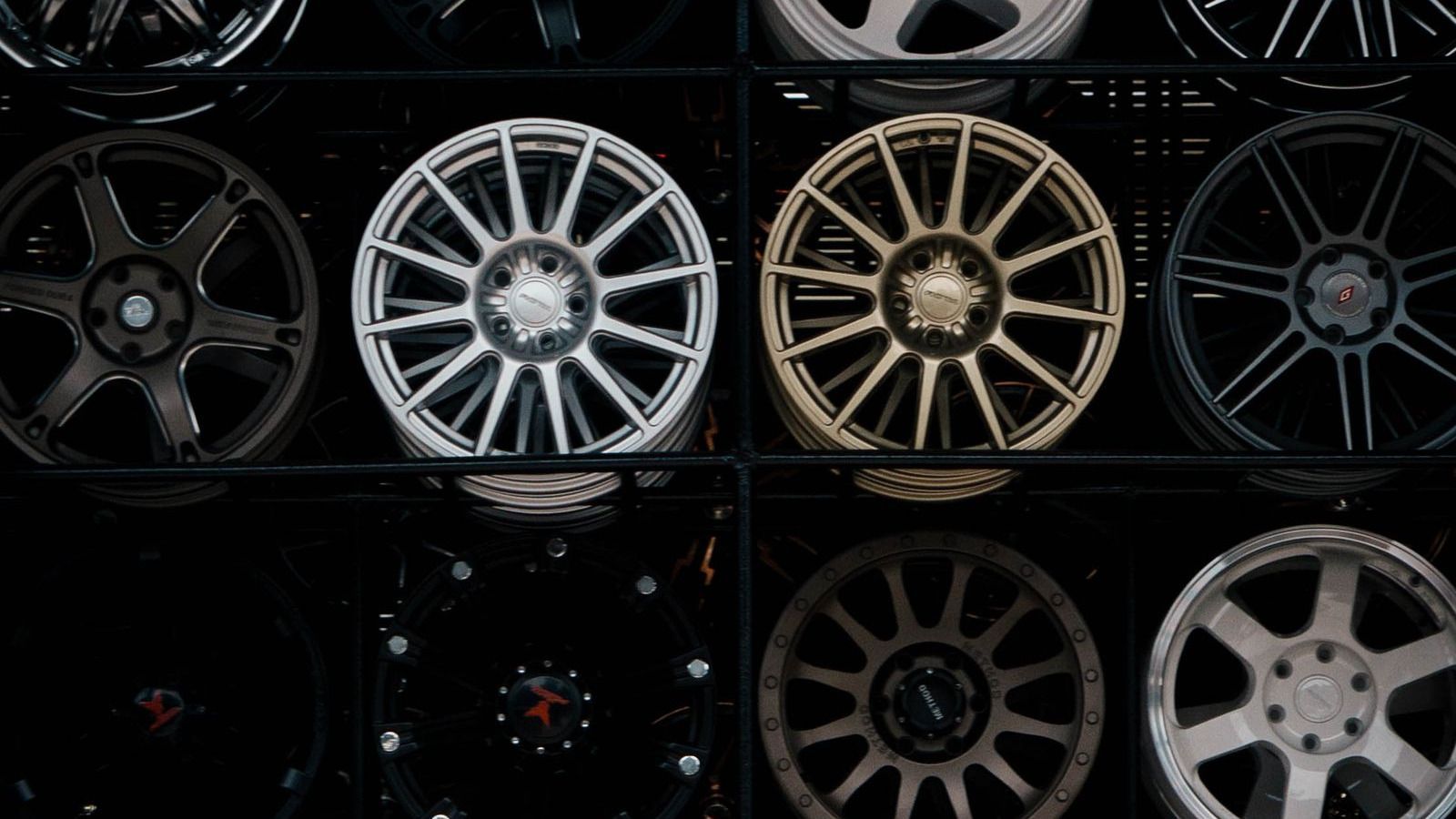
The mix-up is common, and it is worth clearing up early. Paint ceramic and PPF stay on painted panels. On this site, the ceramic protection for wheels and calipers is a different add-on altogether: a layer meant to help a finished wheel or caliper release brake dust and grime. Neither of those products is a stand-in for a high-heat exhaust manifold. If your search started after a detailing conversation, this is where the paths split.
Proper Motion treats high-heat ceramic coating for exhaust components as a real shop service, alongside powder coating and abrasive prep, in Santa Fe Springs. A manifold job still starts with the part itself. The shop looks at the metal, the old finish, the flanges and fasteners, and anything else arriving in the same batch before it talks about color, coverage, or a pickup window.
Which Manifolds Are Good Candidates
Whether a manifold is a good candidate comes down to condition and completeness, not to the badge on the valve cover. Cast or tubular, factory or aftermarket, the useful questions are the same: is the metal sound, is the old coating failing or simply ugly, and is everything that should be there still there?
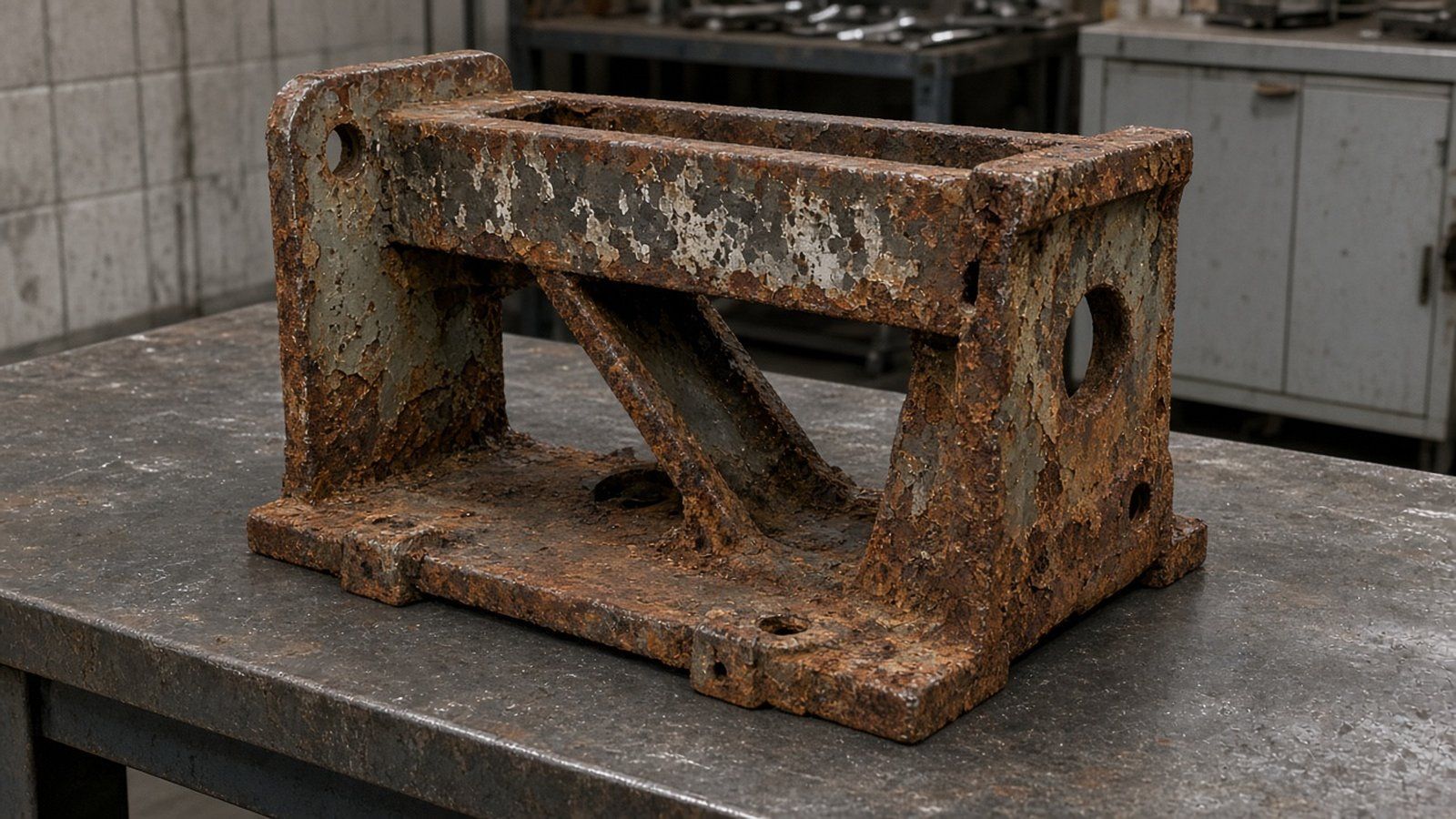
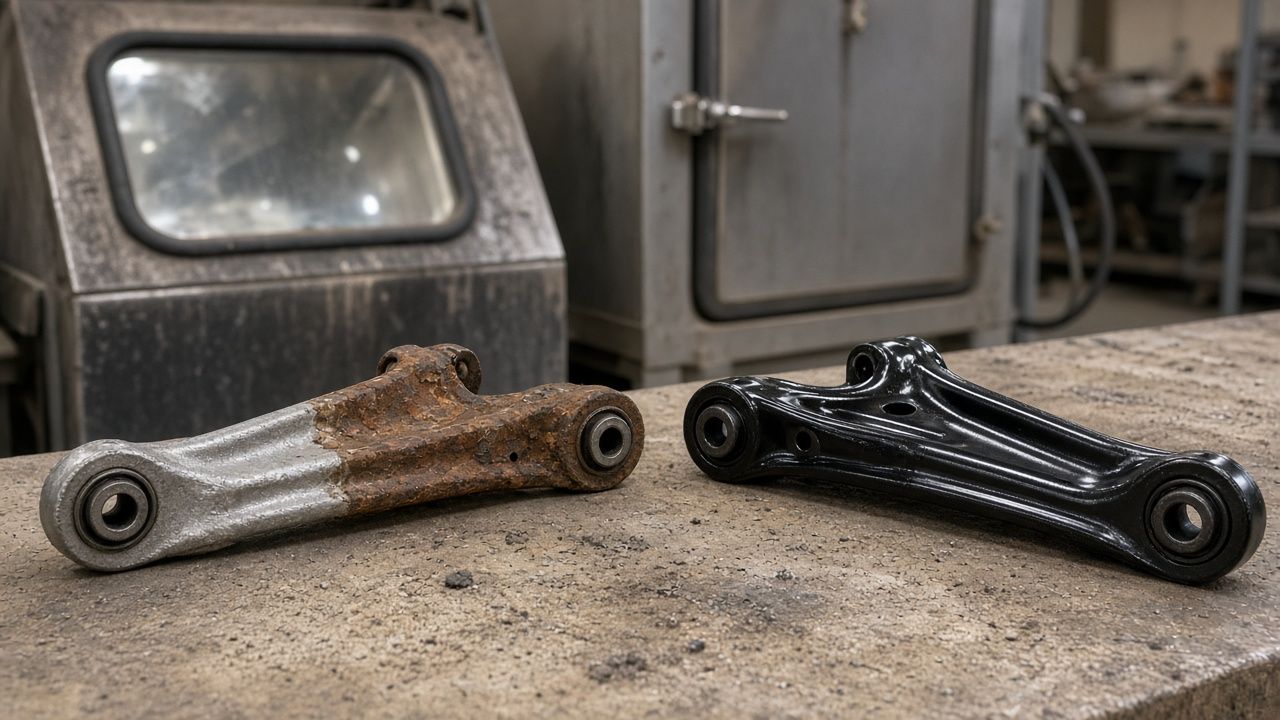
Surface rust, heat scale, and a flaking previous coat are common reasons manifolds come in. Those are not automatic disqualifiers. They do mean prep has more work to do before a new finish goes on. Cracks, a warped flange, broken ears, badly damaged threads, or a repair that was never meant to live in the exhaust stream are different. Those are condition questions first. A finish cannot be asked to hide a leak or a mounting problem, and no honest shop should coat over a part that is not ready to go back on the engine.
Completeness matters more on a manifold than people expect. Missing studs, broken bolts left in a flange, a heat shield that should come off and go back on, plugged or damaged bungs, and a gasket surface that has been filed uneven all change the job. If the manifold still has a catalytic inlet, a downpipe stub, or hardware you want reused, say so. Those details are easier to plan on the bench than after the part is already in process.
If the manifold is still on the engine, photographs from above, below, and of the outlet are still worth taking, but they will miss what you can only see once the part is off: the flange face against the head, the inside of the runners, and hairline issues hidden by the engine. The shop can often tell you whether the part looks like a candidate from on-car photos, then confirm the rest when it is on the bench. Leaving it on does not change the coating process itself. It only changes how much of the condition is visible at the first look.
If the part in front of you is a set of headers rather than a manifold, that is a closely related job with its own access, tubing, and collector layout. The ceramic coating headers guide is the place for that conversation. This article stays on the manifold: the log, the runners, and the flanges that bolt to the head and to the rest of the exhaust.
Cast manifolds and tubular manifolds also show their differences on the bench. A heavy casting soaks and holds heat differently than a fabricated tubular piece, and the wall thickness, interior passages, and hanging points are not the same. You do not need to diagnose the alloy yourself. The shop does need a clear look at the part so prep and handling can match what is actually there, especially on thin tubing or a casting with tight passages.
Prep, Ports, Flanges and Hardware
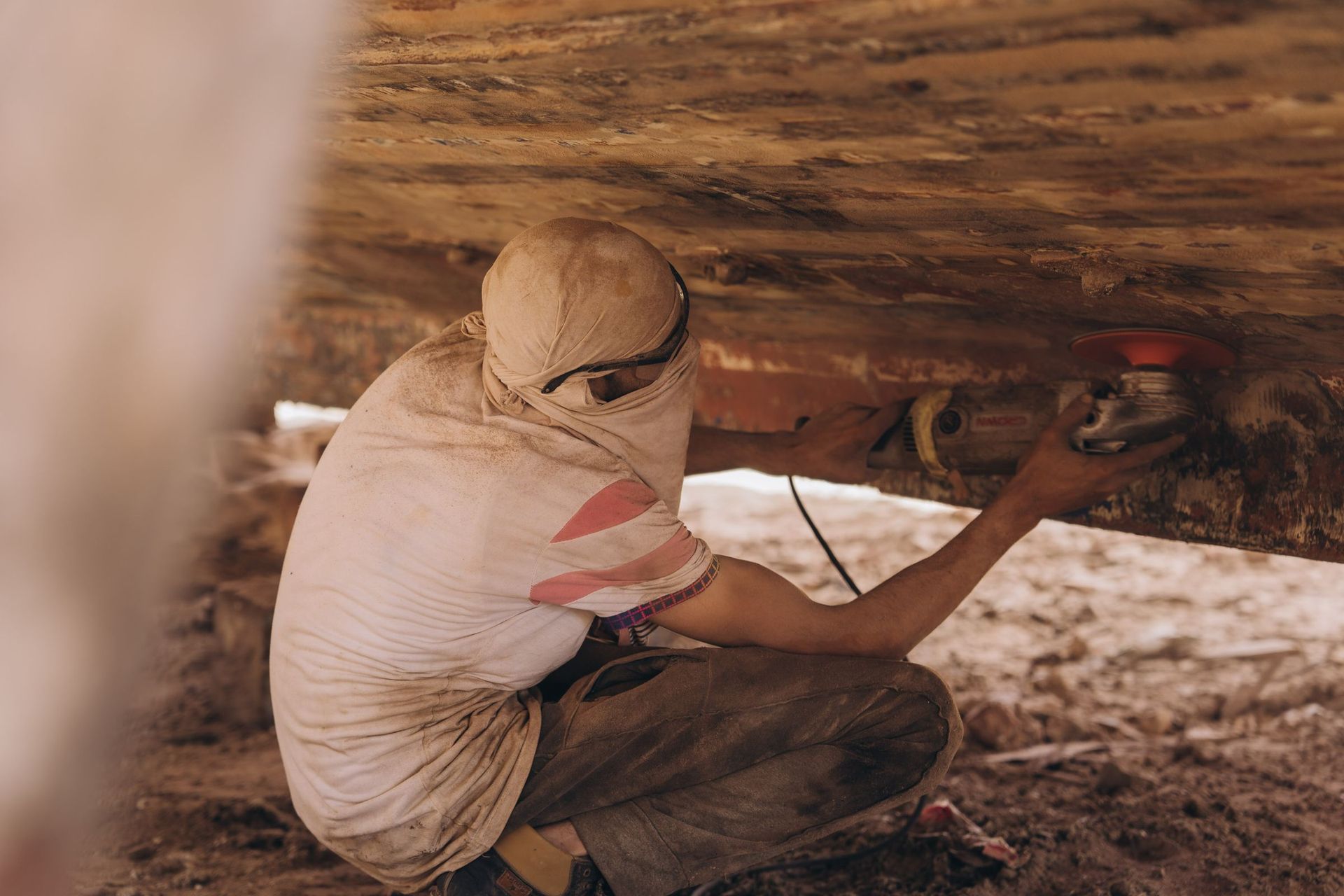
New coating does not belong on loose scale, oil, or a failing old finish. The manifold has to be cleaned and the old coat has to come off, often with controlled blasting or another strip suited to the metal and the part's shape. Cast manifolds, tubular manifolds, and thin aftermarket pieces do not all take the same handling, which is one reason a photo of the part is more useful than a year and model alone.
Masking is not a cosmetic extra. Ports, gasket surfaces, stud threads, bung threads, and sensor openings should stay clean enough to seal and to accept hardware when the part goes back on. A coat that looks even on the outside and has crept onto a flange face is a leak waiting to happen. The shop will confirm how your specific manifold should be masked once it has the part, because every design lays out its ports, merges, and fasteners a little differently.
Prep can also include removing a heat shield, leftover gasket material, or hardware that cannot go through the process. If you want original fasteners reused, mention that. If a stud is already rounded or snapped, mention that too. Those are not reasons to skip the job. They are reasons the estimate and the timeline should reflect the part you actually have. The sandblasting and surface restoration page is the process side of that prep conversation, not a separate promise about how long a manifold will take.
How This Differs From a Header Job
Header and manifold work live in the same high-heat family, and they often arrive together. That does not make them the same job. A header is usually a set of tubes, primaries, and a collector, with a lot of exterior surface and a lot of places to mask. A manifold is often a tighter, heavier piece with a head flange, a tighter runner layout, and less room around the ports. Access, hanging points, and the way heat soaks the casting are different, and so is the list of things the shop has to protect.
Related parts still show up in the same box. Downpipes, housings, and tips are common companions, just as they are on a header job. If those pieces are coming in, send photos of them too, and say whether you want them finished with the manifold or left alone. The quote should be built around what is actually arriving, not around an assumed header set.
Timing is planned after the shop has seen the parts. Same-day wheel service is a published path for qualifying wheel jobs. It is not a promise that applies to exhaust work. A manifold may be straightforward, or it may need more strip, more repair, or more masking than the first photo suggested. The honest window comes after inspection, not before.
What Changes the Job
Two manifolds can look similar from a driveway photo and still take different paths. The difference is almost never the name of the finish. It is the metal, the old coat, the flanges, and what else is in the box.
| Factor | Why it matters on a manifold | What to photograph or tell the shop |
|---|---|---|
| Metal condition | Cracks, a warped flange, broken ears, or a questionable old repair have to be evaluated before any new finish is promised. A sound manifold and a damaged one do not take the same path. | Show the flanges, the runners or log, and any area that looks cracked, repaired, or uneven. Mention known leaks. |
| Old finish and contamination | Failing paint, lifting ceramic, baked-on scale, and oil-soaked castings all change how much prep the part needs before a new coat can bond. | Photograph flaking, rust, and heavy discoloration. Say whether a previous coating failed quickly. |
| Ports, flanges, and threads | Gasket faces, studs, bung threads, and sensor openings have to stay clean enough to seal and to accept hardware. Masking is part of the job, not a cosmetic extra. | Get close shots of the head flange, outlet flange, studs, and any bung or sensor opening. Note snapped or rounded bolts. |
| Heat shields and reusable hardware | Shields and fasteners that should come off and go back on have to be planned before the part goes into prep. Reuse is easier to promise when it is requested up front. | Show any heat shield and the hardware you want saved. Say which fasteners you need back. |
| Related parts in the same box | Downpipes, housings, and tips often arrive with the manifold. They can be quoted with it, but only if the shop knows they are coming. | Photograph companion parts and say whether you want them finished with the manifold or left alone. |
| How the part will go back on | A manifold that is already off the engine is a different intake than one still bolted to the head. Installation problems, missing gaskets, and tight engine-bay access are useful to know early, even when the shop is coating the part, not reinstalling it. | Say whether the manifold is off the car, and mention any fitment issues you already know about. |
Condition is the first fork. A sound manifold with a tired cosmetic coat can move through prep and coating on a tighter path than a part with a suspect crack, a warped flange, or a broken mounting ear. If the shop has to stop and evaluate a repair, that evaluation happens before any new finish is promised.
The old finish and the dirt on it matter almost as much. A thin, failing coat comes off differently than a thick, baked-on layer or a previous ceramic that is only lifting in spots. Oil-soaked castings and heavy scale add prep time. That work is spent before the new coat goes on, not after.
Hardware and companions change the scope too. A bare manifold is one job. A manifold that arrives with a heat shield, a downpipe, snapped studs, or a request to save every fastener is a broader one. None of that is a judgment on the part. It is the information the shop needs in order to quote the work you actually want done.
What the Finish Does, and What It Does Not
People often come in hoping the coating will make the manifold look finished, hold up under heat, and keep the metal from looking raw and rusty in the engine bay. Those are fair goals to talk about. What the finish can do, and what it cannot, should be equally clear before you drop the part off.
A high-heat ceramic finish is chosen for exhaust metal that cycles through heat in service. It is there as a coating, not as a repair. It can give a used manifold a consistent, finished appearance after the old coat and scale are off, and it is meant to live in the same environment that stained the part in the first place. It does not make a cracked runner whole, flatten a warped flange, or stand in for a gasket. If the manifold cannot bolt up and seal, the coating will not fix that, and the shop should say so before any finish goes on.
Heat will still write on the part. A coated manifold can show a darker or more graduated look in the hottest areas after it has been back in service. That is heat cycling on a finish that lives next to the head, not automatic proof that the job failed. The exact look depends on the part, the engine, and how the vehicle is used, so this is not a promise of a showroom appearance for the life of the engine.
The coating is also not a detailing product. It will not behave like a paint-ceramic on a fender, and it will not turn a manifold into a powder-coated wheel. If you want easier cleaning on a freshly powder-coated wheel, that is the other ceramic conversation, already covered above. If you want a high-heat finish on the exhaust part itself, you are in the right place, as long as the metal is a candidate.
What to Photograph and Tell the Shop
A useful answer starts with useful pictures. You do not need a studio setup. You do need clear shots and a few facts the shop cannot guess from a single glossy photo of the logo on the valve cover.
Photograph the manifold from several sides in plain light. Get the head flange, the outlet flange, the runners or log, and any area where the old finish is flaking, rusted, or cracked. Include a close shot of studs, bungs, and sensor openings, and one of any heat shield or hardware you want reused. If a downpipe or housing is coming with it, photograph those as well.
Then add what the photos do not always capture: the vehicle year and engine, whether the manifold is still on the car or already off, whether you want related parts finished too, and any known cracks, leaks, warped flanges, or broken bolts. If a previous coating failed quickly, say that. If you have a color in mind, name it, but do not let color outrun condition. The shop will confirm what is possible once it has seen the metal.
Care After Pickup
Once the manifold is back in your hands, most of the remaining risk is in installation and the first heat cycles, not in a special ritual. Let the part cool and stay clean until it is ready to go on. Keep gasket surfaces, threads, and sensor openings protected so they stay as the shop left them. If you are not installing it yourself, tell the installer that the finish is new and that the flange faces were left uncoated on purpose.
Use new gaskets and hardware unless the shop has already confirmed that your original fasteners are fit to go back on. Snug the manifold to the head and to the exhaust in the order your engine requires, using the vehicle or fastener guidance you already rely on. Do not pry on a freshly coated runner to force a fit. If something does not line up, stop and look at the flange and the mating surface rather than levering the part into place.
After the manifold is installed, avoid wrapping or crowding the finish with anything the shop has not discussed. If you are considering a wrap, heat shield, or nearby work that could scuff the new coat, ask before you add it. For cleaning, a light hand is enough. You are not trying to polish a wheel, and aggressive chemicals or abrasive pads can do more harm than good. If a later leak, a scuff, or an unexpected change in the finish shows up, photographs are still the fastest way to get a useful answer.
Getting a Quote on Your Manifold
Ceramic coating exhaust manifold work is a high-heat exhaust job, planned around the part on the bench. The sequence is consistent: inspect the metal, strip and prep, mask the surfaces that have to seal, apply the finish, and check the part before it leaves. What changes is the condition of your manifold, the old coat, the hardware, and whether anything else arrives with it.
If you want a straight answer on your parts, send the photos and details above through the free quote request. You can also call or text (714) 686-2306, or drop off at 14000 Rosecrans Ave, Santa Fe Springs, CA 90670 during published hours: Monday to Friday 6:00 AM to 7:00 PM, Saturday 6:00 AM to 4:00 PM, Sunday closed. Ask about timing only after the shop has enough to inspect, and treat the answer as confirmation for your manifold, not a blanket promise.
Recent Posts