
How Much Does Sandblasting Cost? Size, Condition and Prep Factors
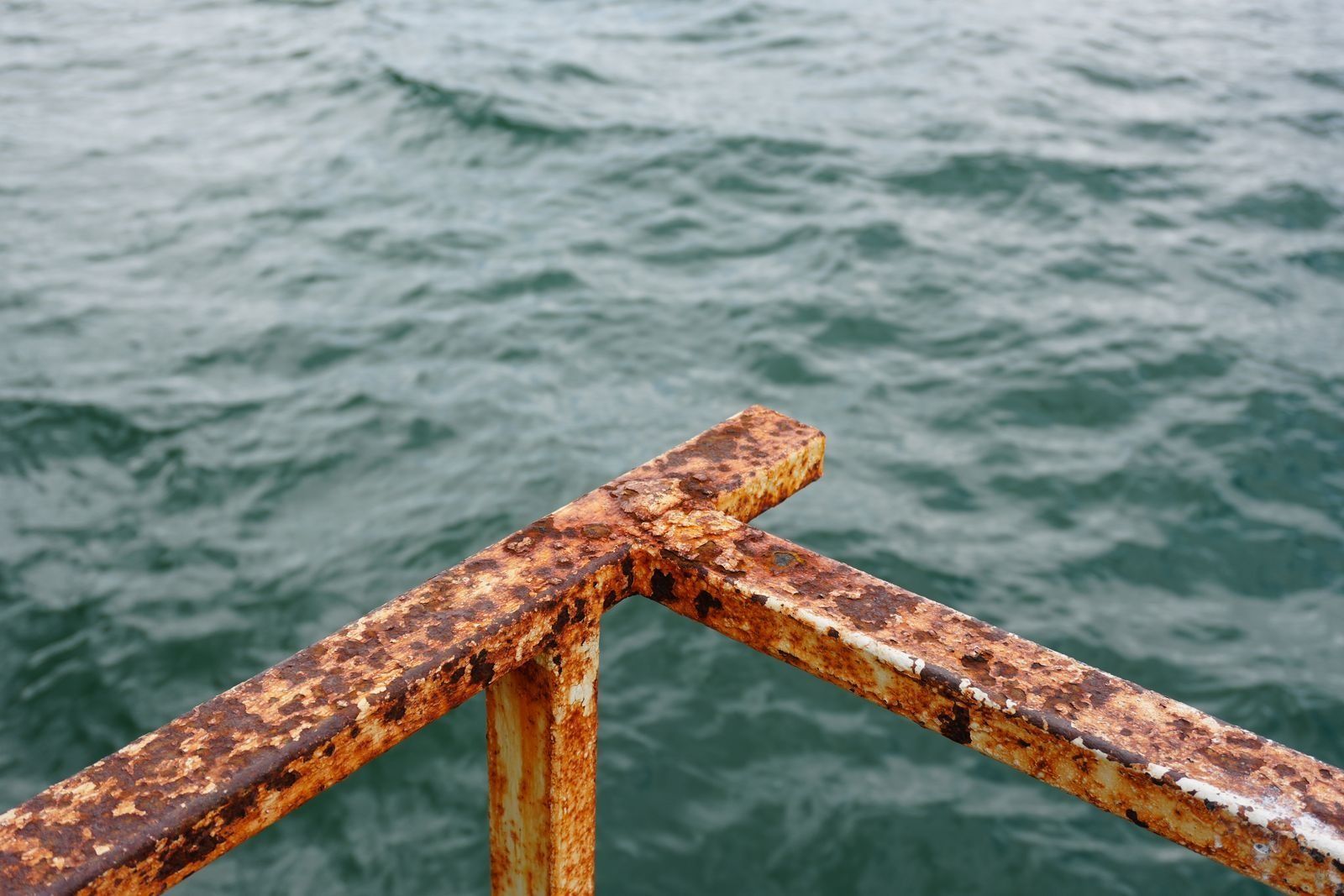
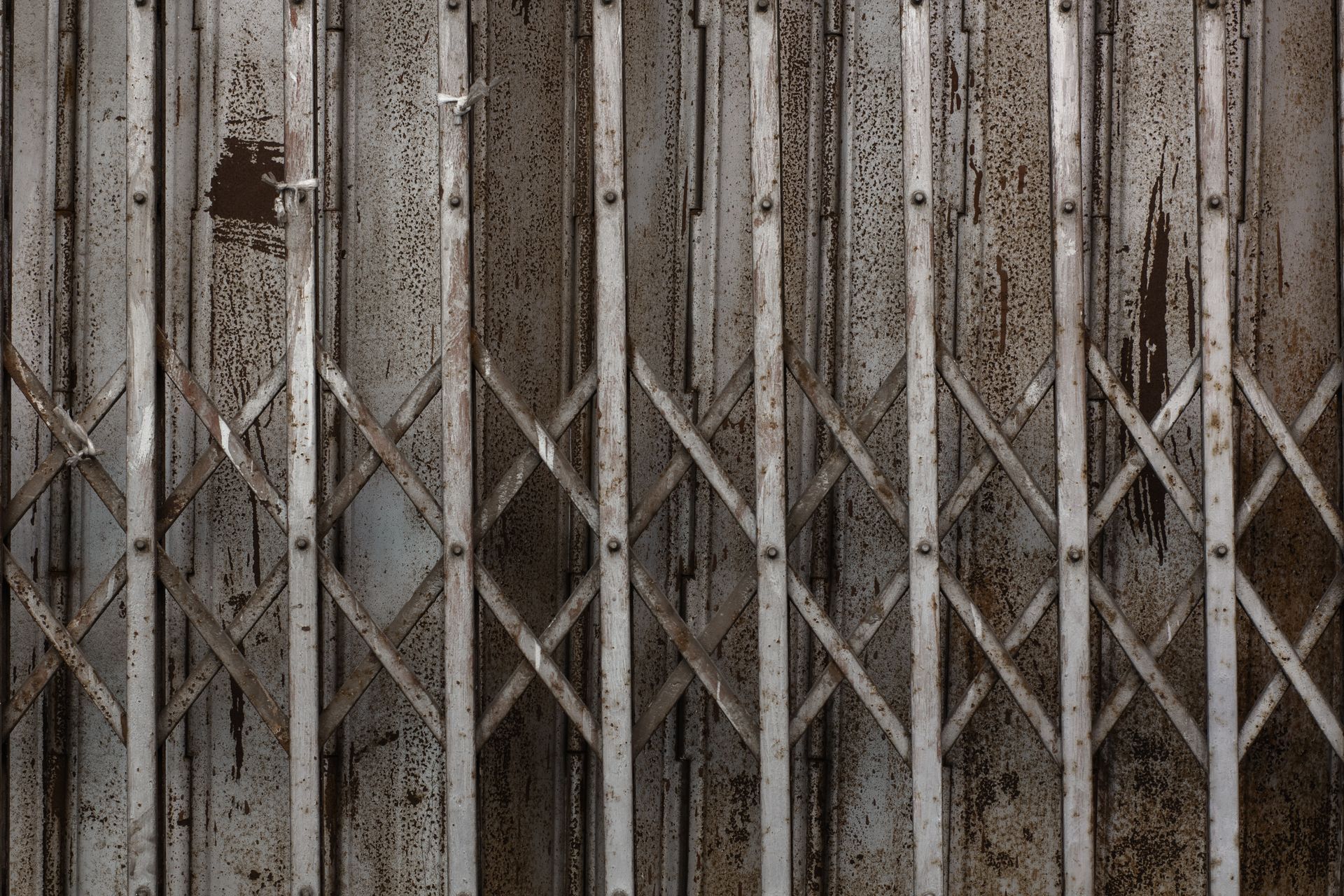
The gate at the side of the driveway has gone past orange into something closer to brown-black, and the bottom rail flakes when you brush it with a glove. Or maybe it is the trailer frame that has come back from its last winter scaled over like a lizard, or the stack of parts in the garage where the paint is letting go in whole sheets. At some point you stop looking at the problem and start asking what it takes to fix it, and the search almost always starts the same way: how much does sandblasting cost?
The honest answer from the blasting side of the counter is that there is no single number. Anyone quoting over the phone without seeing the part is guessing. Sandblasting cost is built job by job from the size of the piece, the condition of the surface, the material underneath, and the prep the part needs before the nozzle ever touches it. This article walks through what a shop looks at when it builds a blast-only quote, so you can see why two similar-looking jobs come back with different estimates, and so the photos you send actually answer the questions the shop will ask.
One bit of terminology before we go further. On our site, sandblasting means abrasive or media blasting in general: the part is struck with a chosen abrasive under pressure to strip rust, paint, and scale down to clean metal. It does not mean we are shooting silica sand at your parts. The abrasive is selected for the job, and that choice is one of the things that shapes the quote.
How Much Does Sandblasting Cost When Blasting Is the Job
When blasting is the whole job, not a stage inside a bigger project, the quote is built from the part itself. That sounds obvious, but it is worth slowing down, because most of the confusion around the cost of sandblasting comes from people not realizing how many part-specific variables sit inside a single number.
The shop is looking at the dimensions: how much surface area the nozzle has to cover, and how long that takes at a realistic pace. It is looking at the material, because steel, aluminum, and cast parts each behave differently under abrasive. It is looking at what is on the surface right now, whether that is light flash rust, three generations of old paint, or mill scale that has been baking onto the metal since the piece was made. And it is looking at prep: what has to be masked, what has to be removed, what has to be handled carefully, and whether the part fits in a cabinet or has to be worked in an open bay.
The shop weighs those inputs together rather than treating each one as a standalone fee, which is why a question like what it costs to blast a bumper cannot be answered without seeing the bumper.
What a Blast-Only Quote Covers
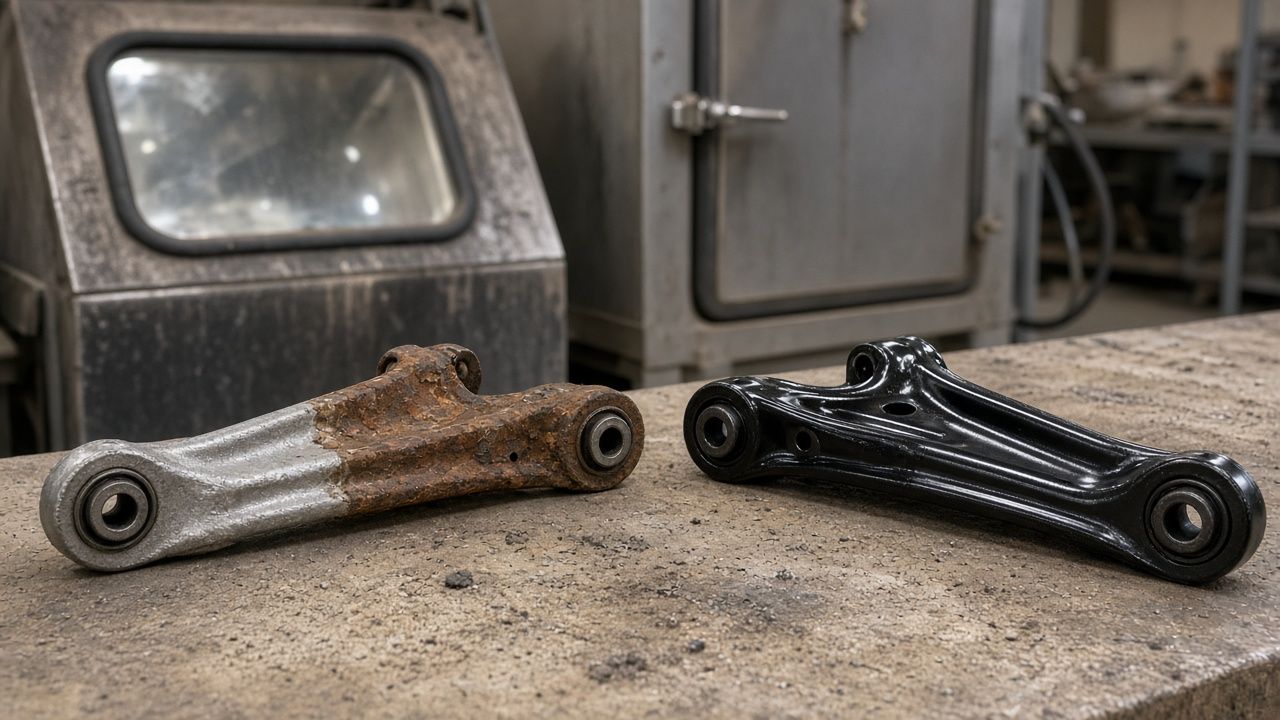
A blast-only quote covers the work of evaluating the part, masking what needs protection, blasting the surface to the agreed finish, and cleaning the part afterward so it leaves the shop in a usable state. That is the scope. You are buying the surface preparation, nothing more.
A combined project is different, and the difference matters for how you read any estimate. Say you are stripping a trailer frame at home and doing your own paint afterward. You are buying one line of work: the blast. Someone else drops off a bracket for strip-and-powder. That person is buying two lines: the blast, and the coating stage that follows. Both jobs include blasting, but the second one carries a whole additional process with its own prep, its own materials, and its own pricing logic. If you are comparing quotes from two shops and one is quoting blast-only while the other is quoting blast-plus-coating, you are not comparing the same thing at all.
If You Are Pricing Powder Coating Instead
If you landed here because you actually want to know what a coating job runs, that is a separate conversation, and we cover it in full in our guide to powder coating costs. This article stays on the blasting side.
With size, material, condition, and prep now on the table, here is how those factors map onto a quote:
What Changes a Sandblasting Quote
| Factor | What the shop is looking at | Why the quote can change |
|---|---|---|
| Size and surface area | Overall dimensions and how much area the nozzle must cover | More area means more abrasive, more hours, and more containment |
| Access and handling | Whether the part fits a cabinet, needs a bay, or must be rotated or moved by two people | Awkward handling adds labor time before and after the blast |
| Material type | Steel, aluminum, cast iron, or mixed construction | Softer metals limit media choice and pressure, which slows the job |
| Coating condition | Light rust or failed paint vs heavy scale or layered coatings | Heavier buildup means slower stripping and sometimes a second pass |
| Media choice | The abrasive suited to the metal and the target finish | Aggressive media cut faster; gentler media take longer but protect the part |
| Masking and threads | Threads, machined faces, bearing bores, and surfaces that must stay clean | Every masked feature adds prep time before the nozzle starts |
| Whether a coating follows | Bare-metal handoff vs staying for powder coat in-house | The plan for the surface after blasting affects the required finish and profile |
Size, Access and How Long the Nozzle Has to Work
Size is the first thing any blaster wants to know, and the reason is simple: size drives nozzle time. Blasting is a linear process: the abrasive stream cleans only so much metal at a time. More surface area means more nozzle time and more abrasive, and a small bracket and a full trailer frame are not the same job with different numbers. They are different jobs entirely.
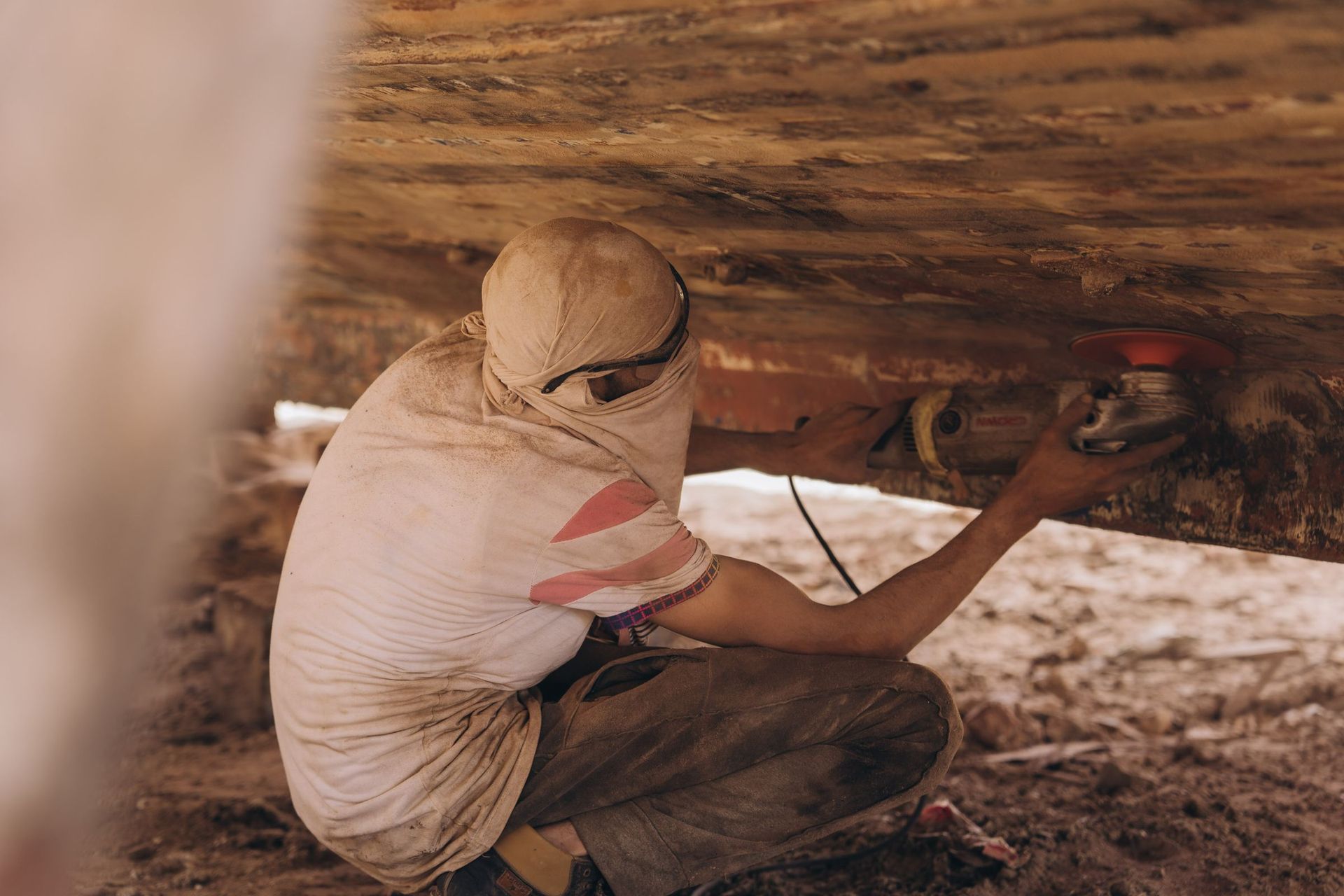
Access is the other half of the size question. A part that fits inside a blast cabinet is a controlled job: contained media, contained dust, the operator working at a comfortable angle. A frame that has to be worked in an open bay is a different situation, with tarps or booth containment, an operator in full gear, and time spent walking around, repositioning, and getting into corners. The same surface area is a different amount of work depending on where and how it can be blasted.
Handling sits alongside access. Can one person move the part, or does it need two people, a cart, or a hoist? Does it arrive stripped of hardware, or does the shop have to remove hinges, brackets, or fittings before blasting and work around components that stay on? Every one of those questions is labor, and labor is a real part of any quote.
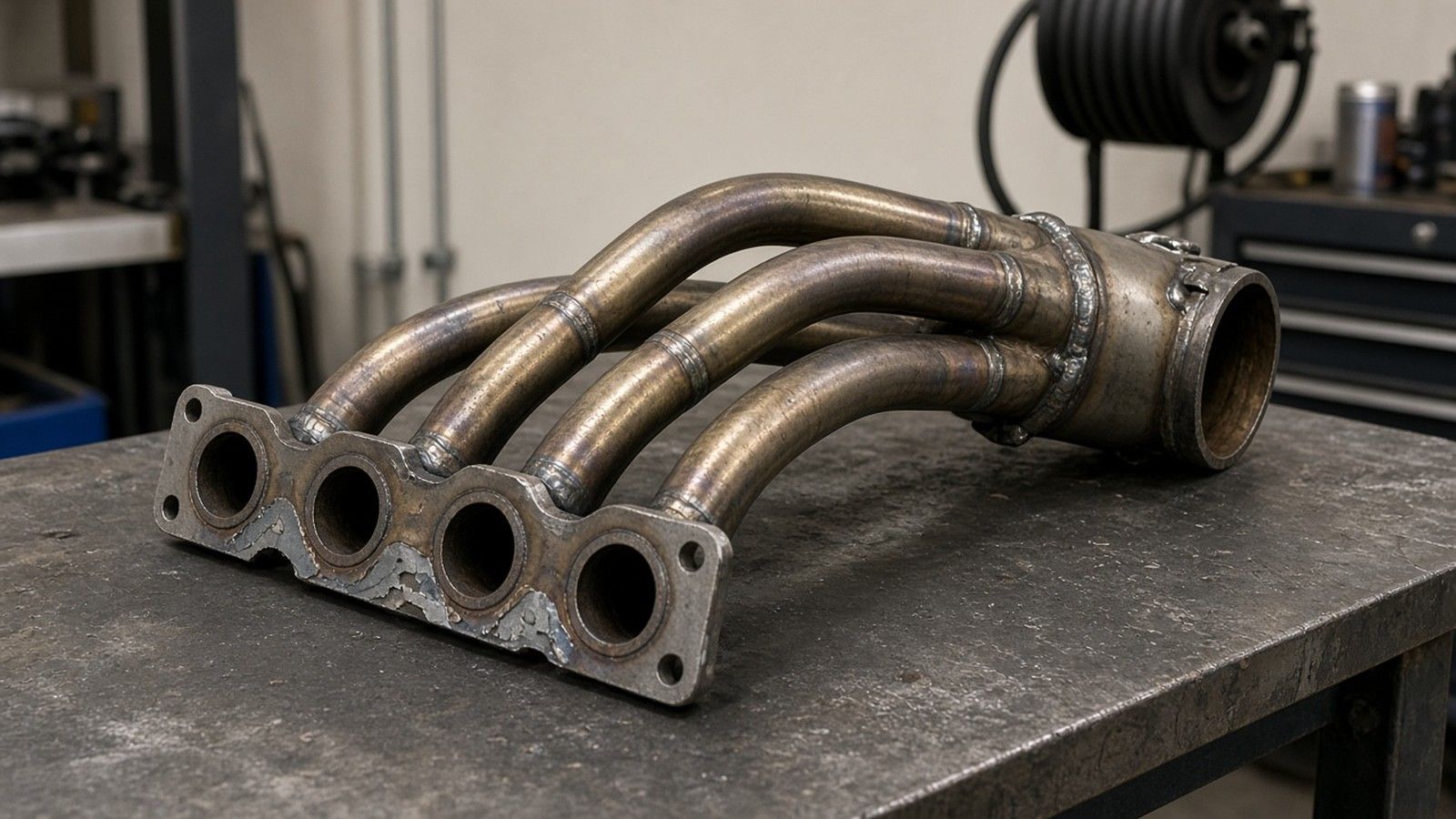
Here is where you can help yourself before you ever call. Measure the part: length, width, and depth, or diameter if it is round. Get a sense of its category. Bench-sized means it fits on a workbench with room to spare. Cart-sized means one person can move it with a hand truck or cart. Floor-sized means it lives on the ground or a trailer and takes real effort to place. When you call or send photos and can say "it is 40 by 18 inches, cast aluminum, one person can carry it," you have answered three of the shop's first four questions in one sentence. That is how you get a useful response instead of a round of follow-up questions.
Material and Condition: What Is Coming Off
Underneath every quote is the material of the part, because the material sets the rules. Steel takes aggressive media and aggressive pressure. Aluminum is softer and demands more restraint, both in media choice and in how the nozzle is worked, or you risk removing good metal along with the rust. Castings can be porous and can hide scale in pits that the nozzle has to chase. Mixed construction, say a steel frame with aluminum panels, can mean two media or two passes. None of this is trivia; it is the difference between a clean, ready surface and a part that has to be reworked.
Light rust or failed paint versus heavy scale
Condition is where two identical parts stop being identical. A part with light surface rust, or paint that is already failing and peeling, comes off quickly and evenly. The abrasive finds the boundary between coating and metal and lifts the failing layer almost willingly. This is the lighter end of blasting, and the quote usually reflects that.
Heavy scale is a different animal. Mill scale that has been on the metal since manufacture, multiple stacked layers of old coatings, or rust that has pitted into the base metal all take longer, sometimes much longer. The nozzle has to dwell, rework areas, and often the job calls for a more aggressive abrasive or a second pass to get down to sound metal. Pitting deserves a special mention: rust that has eaten into the surface leaves a texture behind even after it is removed, and getting clean, sound metal out of a badly pitted part is slower work than stripping a flat, healthy one.
This is why condition is often the single biggest swing factor after size. Two parts of exactly the same dimensions, with different histories, are not the same quote. One spent its life indoors with a failing coat of paint. The other sat in a field through several winters with water pooling on it. Same part number, very different job.
If you are standing in the driveway trying to judge what you actually have, our rust assessment guide walks through how to read rust severity and what it means for the work ahead.
One comparison worth addressing, because it comes up in most blasting conversations: chemical stripping. Where a chemical bath is an option, blasting can be faster and it avoids soaking the part in a bath. But blasting is not free of its own obligations. It still needs proper dust control, both for the operator and for the shop environment. Neither route is magic; both are processes with real requirements, and the shop will choose the right one for the part.
Media, Profile and Masking
Media choice is the quiet variable in most quotes, because it changes both the speed of the job and what the surface is ready for afterward. This is a decision-relevant overview, not a catalog.
Aluminum oxide is an aggressive cutting media. It strips fast and leaves a profile that gives coatings something to grip, which makes it the usual choice for steel that is heading to paint or powder. Glass bead is gentler and leaves a smoother, brighter finish, which suits parts where appearance matters or where a matte, even look is the goal. Steel grit is heavy and fast on tough scale, common for thick steel work. Walnut shell is the soft touch: it cleans without biting into the base metal, which matters for parts where you cannot afford aggressive cutting.
The profile the media leaves behind matters most when a coating follows, because coating adhesion depends on the texture the abrasive created. But media also affects blasting time, and blasting time affects the quote, so the media decision is never purely technical.
Masking, threads, thin metal, parts that may not be good candidates
Prep before the blast is where a lot of labor hides. Threads, machined surfaces, and bearing bores need protection, because an abrasive stream does not distinguish between the rust you want gone and the precision surface you need kept. Masking those features takes time and care, and complex parts with many protected surfaces carry that time into the quote.
Thin metal is the other caution. Sheet metal and thin panels can distort under aggressive media and pressure; heat and impact have nowhere to go. Some decorative or delicate parts may simply not be good candidates for blasting at all, and the right answer from a shop is to say so plainly rather than take the job and ruin the part. If you are unsure whether your piece is a candidate, that is exactly the kind of question photos answer early. For work on aluminum, engine components, and jobs where controlled media selection matters, our media blasting guide goes deeper on how the abrasive is matched to the part.
When the Coating Follows, and When Blasting Stands Alone
Some parts leave the shop as bare metal, headed to the customer's own paint, plating, or storage plans. Others stay and get coated. Which path you are on changes the conversation about timing, and there is one live fact that everyone planning a blast-and-coat project should know: bare metal can flash-rust within hours in humid conditions. Clean, freshly blasted steel is hungry for oxygen, and it does not stay pristine on its own. This is exactly why the gap between blasting and coating matters, and why a plan of "blast it this month, paint it when I get around to it" often ends with a part that needs attention again.
Because both blasting and powder coating happen in-house at the same shop, same-visit powder coating is possible: the part can come out of the blast and move into the coating process without a handoff to another business. That is not a timing promise. Every job is scheduled on its own merits, and the shop confirms the plan after seeing the part. Combining both services at one shop does remove the handoff, and the handoff is where flash-rust risk and extra handling live.
If you want to see how a project runs when both stages happen under one roof, our article on the sandblast and powder coat sequence walks through it step by step. And if you want the broader view of what the blasting service itself involves, our sandblasting and surface restoration page covers the process in full.
What to Photograph and Tell the Shop
Photos are the usual route to a useful estimate, and good photos beat a vague description. Here is what helps:
- Overall photos from a few angles, far enough back to see the whole part and understand its shape and size.
- Close-ups of the worst areas: the deepest scaling, the heaviest peeling, the spots where rust has clearly eaten in. This is the condition question answered in pictures.
- One photo with a ruler or tape measure in frame for scale. A tape measure stretched along the part removes all guesswork about dimensions.
- A note on the material if you know it: steel, aluminum, cast, or unknown.
Then tell the shop the things the photos cannot show. What is the part for? Does a coating follow, and if so, what kind? What is the history, if you know it: previous coatings, repairs, years of exposure, anything that hints at how many layers or how much rust the nozzle will meet. An honest description of condition helps the shop quote the job you actually have. Quotes change most often when the worst areas were not visible up front, not because someone described them clearly.
Drop-off planning
If you are local to Los Angeles or Orange County, the shop is in Santa Fe Springs at 14000 Rosecrans Ave, Santa Fe Springs, CA 90670. Hours are Monday to Friday, 6:00 AM to 7:00 PM, and Saturday, 6:00 AM to 4:00 PM; the shop is closed Sunday. You can check the service areas page if regional coverage helps with your planning.
One expectation to set clearly: blasting and general metal work is not a same-day service. Parts are evaluated and quoted, and the work is scheduled from there. Photos sent ahead of a drop-off let the shop look at the job before you load it up, which is often the smoothest path of all.
Getting a Sandblasting Quote
Clear photos, real measurements, and an honest description of condition are what turn "how much does sandblasting cost" from a shrug into an inspection-based estimate. Size tells the shop how long the nozzle works. Condition tells it what the nozzle is up against. Material and media tell it how the work has to be done. And your plan for what happens after the blast, whether the part leaves bare or stays for coating, tells the shop what the surface needs to be ready for.
Send your photos through the
free quote request. You can also call or text (714) 686-2306, or bring the part by during published hours.
Recent Posts