Powder Coating Bike Frame: Prep, Finish Options, Drop-Off Tips
You notice it before you decide to fix it. The rock strike on the down tube of your hardtail that turned into a silver dollar of bare aluminum. The commuter frame locked to a rack outside all winter, rust blooming along the welds where the paint flaked. The motorcycle frame you refreshed with rattle cans two summers ago, now dull, patchy, and lifting at the edges. Whatever you ride, seasons of use leave a readable record on a frame: chips, scuffing, oxidation, and the slow failure of whatever finish was there before.
Yes, powder coating is a durable refinishing path for many bicycle, e-bike, motorcycle, and dirt-bike frames. A
powder coating bike frame job done well can outlast a spray-paint refresh and wraps tubes, welds, and brackets more evenly than a brush or rattle can. Results depend on three things: how far you disassemble, how well the frame is prepped, and which finish you choose.
Is Powder Coating a Bike Frame Worth It Over Paint?
Most riders searching for bike frame powder coating are weighing powder against spray paint, a rattle-can refresh, or simply leaving the frame as-is. Here is how the two processes actually differ.
Powder coating starts as a dry powder, applied with a spray gun that gives the particles an electrostatic charge so they cling to the grounded metal frame. The coated frame then goes into an oven, where heat melts and cures the powder into a smooth, bonded film. The Powder Coating Institute, the industry's main trade association, explains that the oven heat makes the coating react chemically into long, highly cross-linked molecular chains that resist breakdown (Powder Coating Institute). Because the film builds from charged particles wrapped around the part, it tends to coat tube junctions, weld beads, and hard-to-reach contours more evenly than liquid paint applied by hand.
In practical terms on a bike frame, that translates to better chip resistance from rock strikes and chain slap, better abrasion resistance where cables or straps rub, and better day-to-day wear resistance than most one-part liquid paints you would apply at home or receive from a low-end repaint. On motorcycle frames, powder also holds up better against boot scuffs, chain lube, and road grime than typical spray paint.
None of that means powder is indestructible. A hard enough impact will chip any coating, and a poor strip job underneath will undercut even the best powder. The honest framing is this: powder is generally more durable and more resistant than typical liquid paint on a frame, and the durability gap widens when the prep underneath is done right.
When is paint still the better call? A few situations. If you want an exact factory restoration of a rare or sentimental frame, a color-matched liquid repaint may better replicate the original finish system. If a frame cannot tolerate oven cure temperatures because of heat-sensitive components that cannot be removed, it is not a candidate until those parts come off. And for a small chip or scuff on an otherwise healthy finish, a touch-up is cheaper than a full refinish. The point of this article is the full refinish, done properly.
Which Frames and Parts Suit Bike Frame Powder Coating
Proper Motion's general powder coating page lists e-bike frames and motorcycle frames and brackets among the work it handles, along with off-road parts, and the same prep logic applies to bicycle and dirt-bike frames and the metal hardware that travels with them. Brackets, stands, and small steel parts can often be coated in the same batch and the same finish as the frame, which keeps the whole build consistent. (Wheels are a separate service with their own process, so this article leaves them out.)
The aluminum versus steel question comes up constantly. Steel frames, from commuter and vintage road bikes to most motorcycle chassis, usually take stripping and recoating well; rust that would keep spreading under paint gets removed to bare metal first. Aluminum frames are also powder coated widely, but aggressive blasting can be too much for thinner tubing, so a controlled media blast or chemical strip is often safer. The right method follows material, wall thickness, and condition, which is why the shop inspects before committing to a prep plan.
One material to set aside clearly: carbon. Carbon fiber frames are not part of this conversation. Powder coating as described here is a metal process involving oven cure temperatures and abrasive or chemical prep, and none of that applies to composite frames. If you have a carbon frame, its refinishing is a different discussion with different shops.
E-bikes deserve their own note. The frame itself is a normal coating candidate, but e-bikes carry heat-sensitive hardware that a pedal bike never does: motor housings, battery packs and mounts, wiring, controllers, and displays. Proper Motion's FAQ says rubber, plastic, gaskets, electronics, and other heat-sensitive components generally need removal before powder coating, and asks customers to confirm who will disassemble the item before delivery. Plan on removing them yourself unless the shop agrees otherwise. It is not glamorous work, but it is the difference between a smooth job and a problem.
Not every frame qualifies. Existing coating condition, prior repairs, hardware, and material all factor in after inspection. A trustworthy shop would rather decline a marginal frame than coat over a known problem.
Disassembly Checklist Before You Drop Off a Frame
The most common question riders ask is: do I need to strip the bike down to the bare frame? The practical answer is yes: bare frame, plus any metal brackets and hardware you want coated in the same finish. Here is what generally needs to come off.
- Bearings and bearing hardware: bottom bracket, headset, and on motorcycles, any bearings pressed or threaded into the frame.
- Cables and housing: brake, shifter, and clutch lines, along with any cable guides you do not want coated over.
- Electronics and displays: e-bike motors, batteries, controllers, wiring, and any cycle computers or sensors.
- Plastics and soft parts: fairings, fenders, grips, seats, rubber grommets, and decals or stickers you do not want sealed permanently under the new finish.
- Lubricated components: anything carrying grease or oil that would contaminate the prep process.
Oven cure and abrasive prep do not mix with rubber, plastic, lubricants, or electronics. Masking can protect threaded holes, bearing seats, and machined surfaces, but full removal is the reliable path for anything that melts or holds grease. A decal left on gets buried under cured powder. A bearing left in can weep grease during cure and ruin the bond around it. If you are unsure whether a bracket should be coated with the frame, raise it when you send photos.
How Prep Works: Stripping, Cleaning, and When Blasting Is Needed
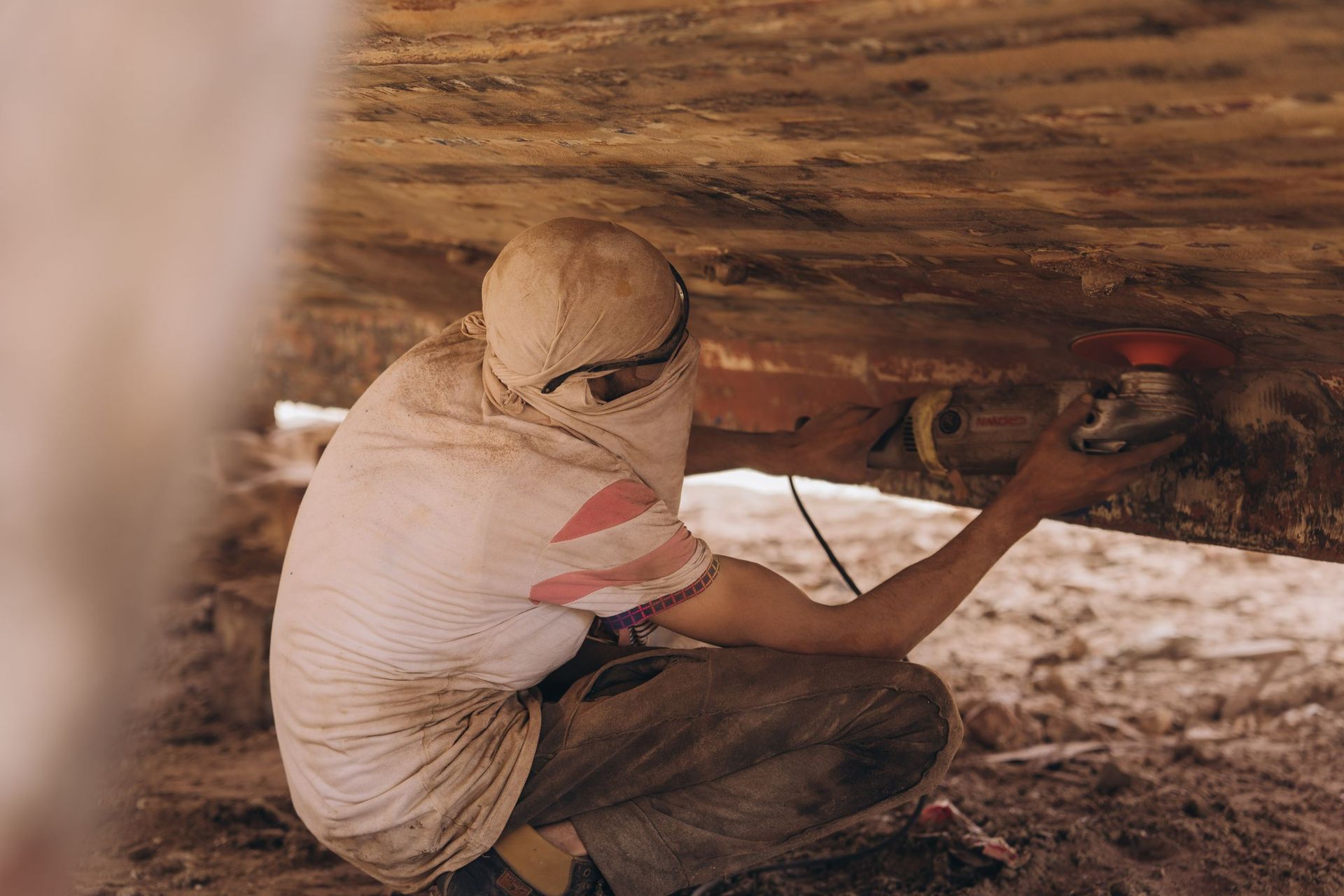
Prep is where most DIY paint jobs fail and most professional powder jobs succeed. If a rattle-can refresh peels within months, that is usually a prep failure: the old finish, rust, or oxidation underneath never left. Every credible powder job on a used frame starts by removing what is already there. Anything left behind becomes a weak layer between metal and coating. Two general paths get you to clean metal, and the choice follows material and condition.
The first path is aggressive abrasive blasting, what most people call sandblasting (the name does not mean silica sand is used). Proper Motion's
sandblasting and media blasting page lists cutting media such as aluminum oxide and steel grit that strip heavy rust, mill scale, and thick old coatings quickly, and it suits robust steel frames and brackets that can take the treatment. On a rusted commuter frame or a motorcycle chassis with decades of grime, aggressive blasting down to clean bare metal is often exactly what the job needs.
The second path is media blasting with gentler abrasives, such as the glass bead and walnut shell the shop also lists. This is the safer choice for aluminum frames, thinner tubing, and restoration-sensitive parts where a heavy blast could etch or warp the surface. The goal is the same clean metal, achieved with less force.
Which method your frame gets follows inspection of the material, wall thickness, and condition. A shop that explains its blasting choice for aluminum versus steel is telling you how it treats prep.
After stripping, the frame still needs degreasing. Chain lube, road grime, brake dust, and fingerprints interfere with adhesion. Threaded holes, bearing seats, and machined surfaces get masked so coating does not build up where parts must fit. These unglamorous steps are the difference between a finish that lasts and one that flakes.
Choosing a Color, Gloss Level, and Finish for a Powder Coated Bike Frame
Once the frame is clean, you get to the fun decision: what it will look like. Proper Motion's general powder coating page lists matte, satin, gloss, and textured finish profiles, and the site also mentions metallic and specialty colors. Bring reference photos or a color direction to the estimate and confirm availability. Each finish family behaves differently in the real world, and riders who pick purely on looks sometimes regret not thinking about wear.
| Finish | Look | Wear behavior | Best frame use |
|---|---|---|---|
| Gloss | Deep, reflective | Highlights surface imperfections; shows scratches over time | Show builds, garage-kept motorcycles, restoration frames |
| Satin | Soft sheen, between matte and gloss | Hides minor wear well; forgiving overall | E-bike frames, commuter bikes, everyday motorcycles |
| Matte | Flat, low reflection | Hides scuffs and grime best; can be harder to clean | Dirt bikes, off-road frames, hard-use builds |
| Textured | Tactile, built-up surface | Hides blemishes; adds grip; collects grime in the texture | Utility frames, brackets, off-road hardware |
| Metallic | Flake with depth and shimmer | Flake can shift or dull with long sun exposure | Custom and show builds, accent hardware |
A few practical notes on those finish options. Gloss black reads clean and deep on motorcycle frames, but it shows every wobble and every mark. Satin black wears quietly through daily e-bike and commuter use. Matte suits dirt bikes and off-road frames that take abuse. Textured finishes add grip and hide blemishes, but they collect grime. Metallics look striking on show and custom builds; in Southern California sun and outdoor storage, flake finishes may show wear sooner than flatter colors, so weigh that before choosing metallic for a street-parked bike.
Color deserves honest expectations. A physical sample or color reference gets closer than a phone photo. Screens and lighting shift color. If an exact factory match matters, say so before drop-off and provide the best reference you can so the shop can confirm what is achievable.
What Powder Coating Bike Frame Jobs Cost (Factors, Not Fixed Prices)
Frame pricing is quoted per project. Proper Motion lists size, quantity, condition, old finish, corrosion, preparation, masking, and finish selection as the drivers for general powder coating. Applied to a frame, these are the variables being assessed when you send photos for an estimate.
- Frame size and tubing complexity: a compact road frame takes less material and masking time than a full-size motorcycle chassis with complex geometry.
- Material: steel versus aluminum versus mixed materials affects the prep path, and prep is a large share of any frame job.
- Condition: a frame with heavy rust, thick old paint, or a failed prior coating needs more stripping work than a clean, lightly used frame.
- Prep and masking scope: threaded holes, bearing seats, and machined surfaces all need masking, and more complex frames need more of it.
- Finish type: standard finishes are the simplest path; specialty colors and metallics can add steps, so ask when you request the quote.
- Quantity: a frame alone is one scope; a frame plus brackets, stands, and hardware in the same finish is a batch, and batching is usually more efficient than separate jobs.
The comparison that matters most is not headline numbers but what those numbers include. A cheap quote that skips stripping and coats over the old finish is not the same job as one that blasts to bare metal first.
Drop-Off Tips: Photos, Timing, and What to Disclose
Photos are how you get an accurate quote and how the shop pre-assesses prep needs. Capture the whole frame from a few angles, then close-ups of anything that tells the frame's story: rust, chips, peeling coating, prior paint layers, weld areas, existing damage, and any hardware you want included. A frame with flaking rattle-can over old powder tells the shop more in one photo than a paragraph of description.
What you disclose matters as much as what you photograph. Before or at drop-off, tell the shop about prior coatings (especially powder hiding under spray paint), any repairs or welds, known damage, heat-sensitive inserts, and whether brackets and hardware should match the frame finish. None of these automatically disqualify a frame; they change the prep plan and the schedule, and knowing them in advance prevents mid-job surprises.
Drop-off logistics are straightforward. The shop is at 14000 Rosecrans Ave, Santa Fe Springs, CA 90670, open Monday through Friday, 6:00 AM to 7:00 PM, and Saturday, 6:00 AM to 4:00 PM, a short ride from Whittier, Norwalk, and Downey. Check the
service areas page if you are coming from farther out.
On timing: bike frame projects get a project-specific schedule after review. Frame jobs involve disassembly-dependent scope, prep that varies with condition, and finish selection, so the shop quotes timing alongside the estimate rather than promising a slot sight unseen. If timing is tight for you, say so when you send photos; that conversation goes better before the frame arrives than after.
Caring for a Powder Coated Frame After Pickup
A cured powder finish is low maintenance, but not zero. Wash with mild soap and water using a soft cloth or brush. Avoid abrasive polishes, solvent-heavy cleaners, and harsh degreasers that can dull or attack the finish.
Motorcycle owners should wipe chain-lube overspray promptly and clean brake dust around caliper and swingarm areas during regular washes. Covered storage helps in Southern California, and coastal salt air accelerates wear on any metal finish.
A powder coated frame is durable and resistant with proper care, but no finish is permanent. Touch up chips down to bare metal promptly, especially on steel, before rust spreads under the coating edge. Dulling and fine scratches are cosmetic; flaking around an impact is impact damage, not coating failure.
Common Mistakes Riders Make With Bike Frame Powder Coating
Dropping off a frame with bearings, cables, or electronics still installed is the most common mistake, and it costs everyone time. The oven and blast cabinet do not negotiate with rubber and electronics. Second is comparing quotes that skip prep. A cheap quote that coats over the old finish looks like a bargain until it peels; compare what happens to the frame before the powder goes on.
Third is choosing a finish from a filtered Instagram photo alone. Phone processing and lighting shift color. Ask about the finish in person or from a sample when the color matters. Fourth is assuming any color is always available; custom and matched finishes need confirmation. Fifth is hiding prior damage or repairs at drop-off; surprises mid-job cause delays. Sixth is expecting the shop to weld or straighten a frame. Powder coating is a finishing service, and structural work needs to be done before drop-off.
How to Choose a Shop for Bike Frame Powder Coating Near Santa Fe Springs
Whether you choose Proper Motion or another shop, ask the same questions. Does the shop strip and blast to bare metal, or coat over existing finish? How does it choose blasting for aluminum versus steel? How does color matching work from photos versus samples? How does it quote timing and scope? A shop that quotes timing only after review is being straight with you.
Red flags include vague prep answers, pressure to skip disassembly, exact color-match promises from a single photo, or guarantees offered without inspecting the frame. Coating quality is decided in prep and process, not in promises.
Get a Quote for Powder Coating Your Bike Frame
The decision comes down to a short list: a metal frame in honest condition, fully disassembled with heat-sensitive parts removed, a finish chosen with wear behavior in mind, and a shop that treats prep as the job rather than the prelude. Get those right and a powder coated frame holds up to Southern California miles in a way spray paint never will.
If you have a frame ready,
request a free quote with photos, the frame material, and the finish you want, call (714) 686-2306, or email propermotion714@gmail.com. The shop responds to quote requests within one business day. Every frame gets inspected before timing or finish is confirmed, so the more your photos show, the more accurate your quote will be.
Recent Posts