
Powder Coating Cost: Gates, Trailers and Fabricated Metal Parts
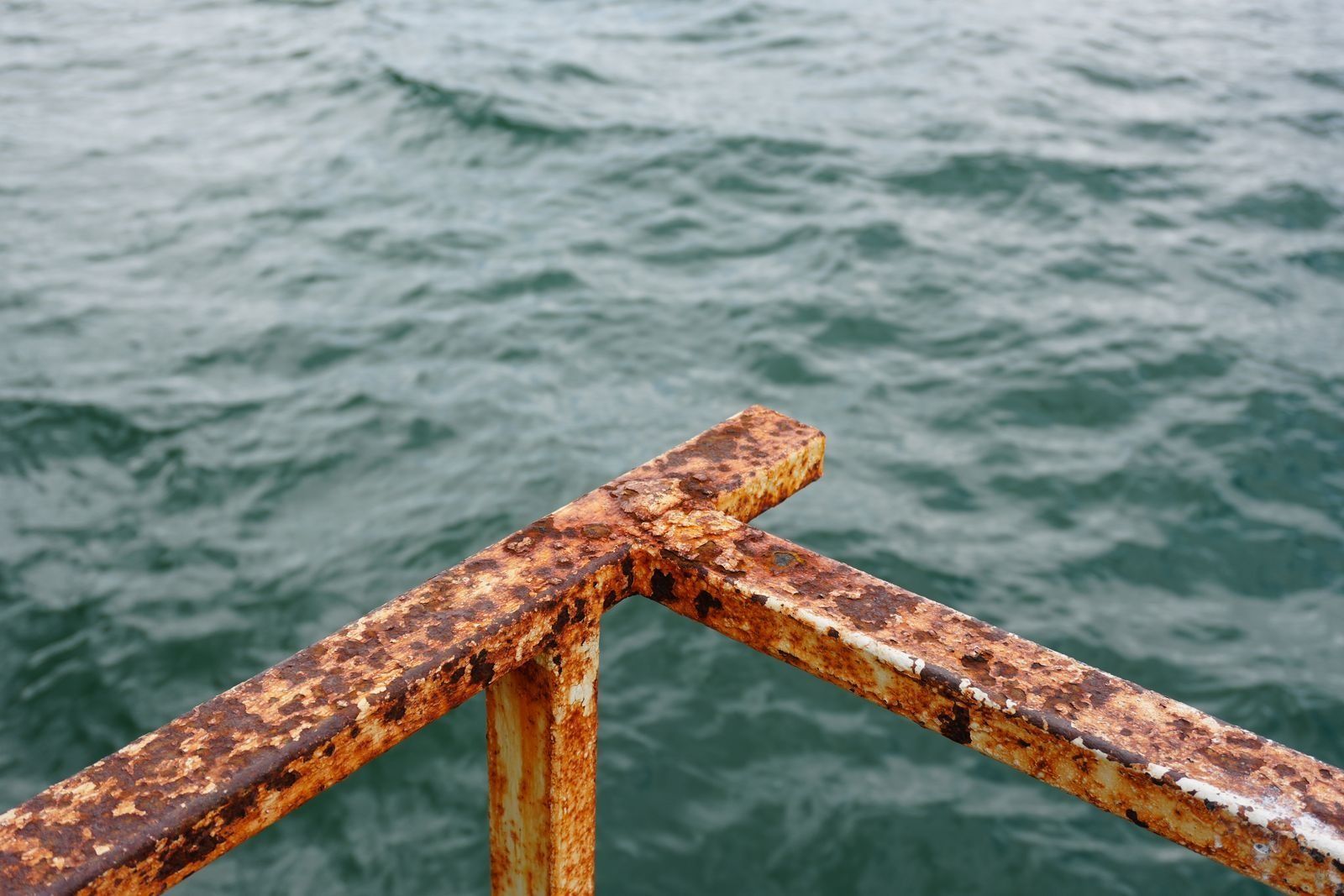
You can usually tell the moment someone gives up on paint. The driveway gate has rust bleeding through the top rail, the patio set has faded to chalky gray after two summers of sun, and the trailer frame is showing rust along every weld. That's typically when the search for powder coating cost begins. Powder coating cost is not one number. It's a quote built from the size of the piece, the condition of the metal, the prep it needs, and the finish you choose for that specific job. This article explains what actually drives a powder coating price for gates, railings, patio furniture, trailers, fabricated steel, frames and brackets, and non-wheel automotive metal, and how to get an accurate quote fast. Proper Motion coats general and commercial metal at its Santa Fe Springs shop for customers across Los Angeles County and Orange County.
One quick redirect before we go further: if you're here specifically to price wheels, that's a separate conversation. Our wheel powder coating page covers that work, and qualifying powder-coated wheel finishes carry a limited lifetime warranty against peeling and cracking, subject to the shop's written terms and exclusions. Everything below applies to the rest of the metal in your life.
What a Powder Coating Quote Is Actually Paying For
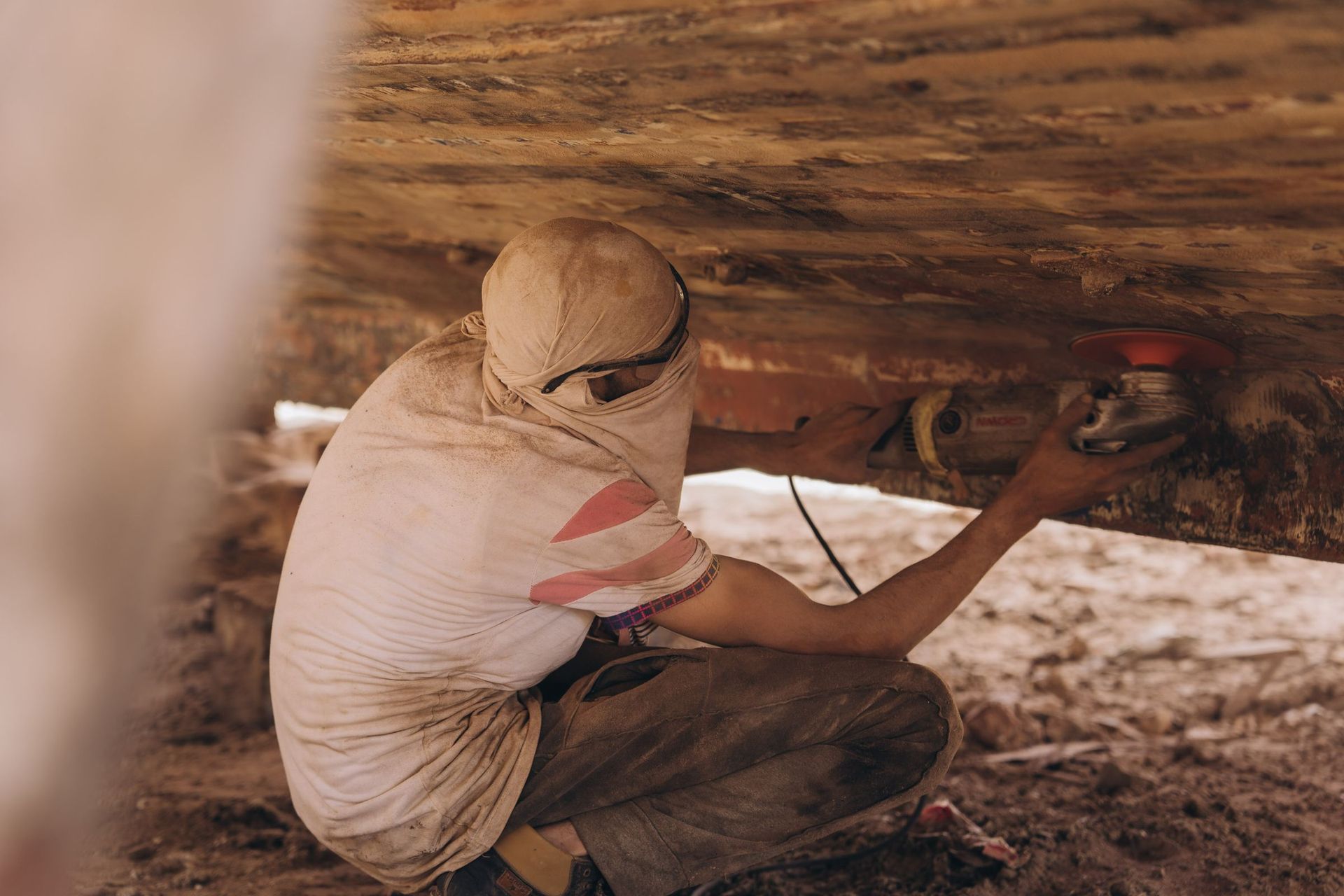
When you get a powder coating quote, you're not paying for paint by the piece. You're paying for three services bundled into one job: surface preparation, powder application, and oven curing. Most first-time customers assume the powder itself drives the price. It rarely does. Prep is usually the largest part of the job, because powder doesn't bond to rust, chalk, mill scale, or failing paint. It bonds to clean, profiled metal, and getting a piece to that state takes labor, media, and time on the equipment.
A professional shop quote also reflects the work you won't see itemized on an invoice: masking, materials, oven time, quality control, and the handling of your piece from drop-off through pickup. So when someone asks how much does powder coating cost, the real question underneath is: how much work does this piece need before it's ready for powder, and what does it take to coat and cure it correctly?
Why Shops Quote by Job, Not by Pound or Hour
Two gates can look identical from ten feet away and still be very different jobs. One has sound paint that only needs scuffing and cleaning. The other has rust scale deep enough that blasting takes three times as long. One arrives with hinges and hardware already removed. The other shows up fully assembled, with bushings and rubber components that have to come off before it can go anywhere near an oven.
That's why reputable shops, ours included, quote from photos and job details rather than a flat rate card. A per-pound or per-hour price either punishes the easy jobs or underprices the difficult ones, and both end badly: padded numbers on simple work, or mid-job surprises on hard work. Quoting from the actual piece keeps the estimate honest, and it's also why the photos you send matter, which we'll get to below.
Size and Surface Area: The Biggest Driver of Powder Coating Cost
After condition, size is the biggest driver of what a job costs. Larger pieces need more powder, more labor, more masking, more oven space, and sometimes two people just to move them safely through the shop.
Scale tells the story. A small bracket is a quick hang, one coat, a short cure. A railing section adds edges, faces, and tubular surfaces that all need even coverage. A full driveway gate multiplies all of it again. A 20-foot trailer frame is a different category of job entirely: significant surface area, inside faces on the tubing, welds at every joint, and handling that has to be planned rather than improvised.
Complexity grows with size, too. Hard-to-reach surfaces, the inside faces of tubular frames, and tight corners around welds all take more time to blast, coat, and inspect than flat panels do. Two pieces of similar weight can quote differently when one is mostly flat sheet and the other is all tubes, brackets, and tight angles. When you're estimating a job in your head, think surface area and complexity, not just weight.
Oversized and Commercial Work
Oversized and fabricated pieces, such as fencing runs, long frames, and fabricated assemblies, fall under the shop's commercial and industrial work. If your project sits on that side of things, our commercial and industrial powder coating page covers how we handle larger jobs, including the 25-foot oven used for pieces that need the space. For cost purposes, the takeaway is simple: big work is doable and quoted with oven space and handling built in, not tacked on as an afterthought.
Material and Condition of the Metal
What your piece is made of, and what shape it's in, changes the quote in two ways: how it takes prep, and how it takes powder.
Common substrates include mild steel, galvanized steel, aluminum, and stainless. Mild steel is the most common and the most straightforward. Galvanized and aluminum each need their own care around surface treatment before powder will adhere properly, which shows up as extra attention in the prep stage rather than a different process entirely. Stainless is mostly a finish conversation, since rust isn't the concern it is on bare steel.
Condition matters even more than material. Think in tiers:
- Clean bare metal or new fabrication: minimal prep, the fastest path to the booth.
- Painted and in decent shape: scuff, clean, and coat in many cases.
- Chipping or failing paint: the old coating has to come off first.
- Light surface rust: blast to clean metal and proceed.
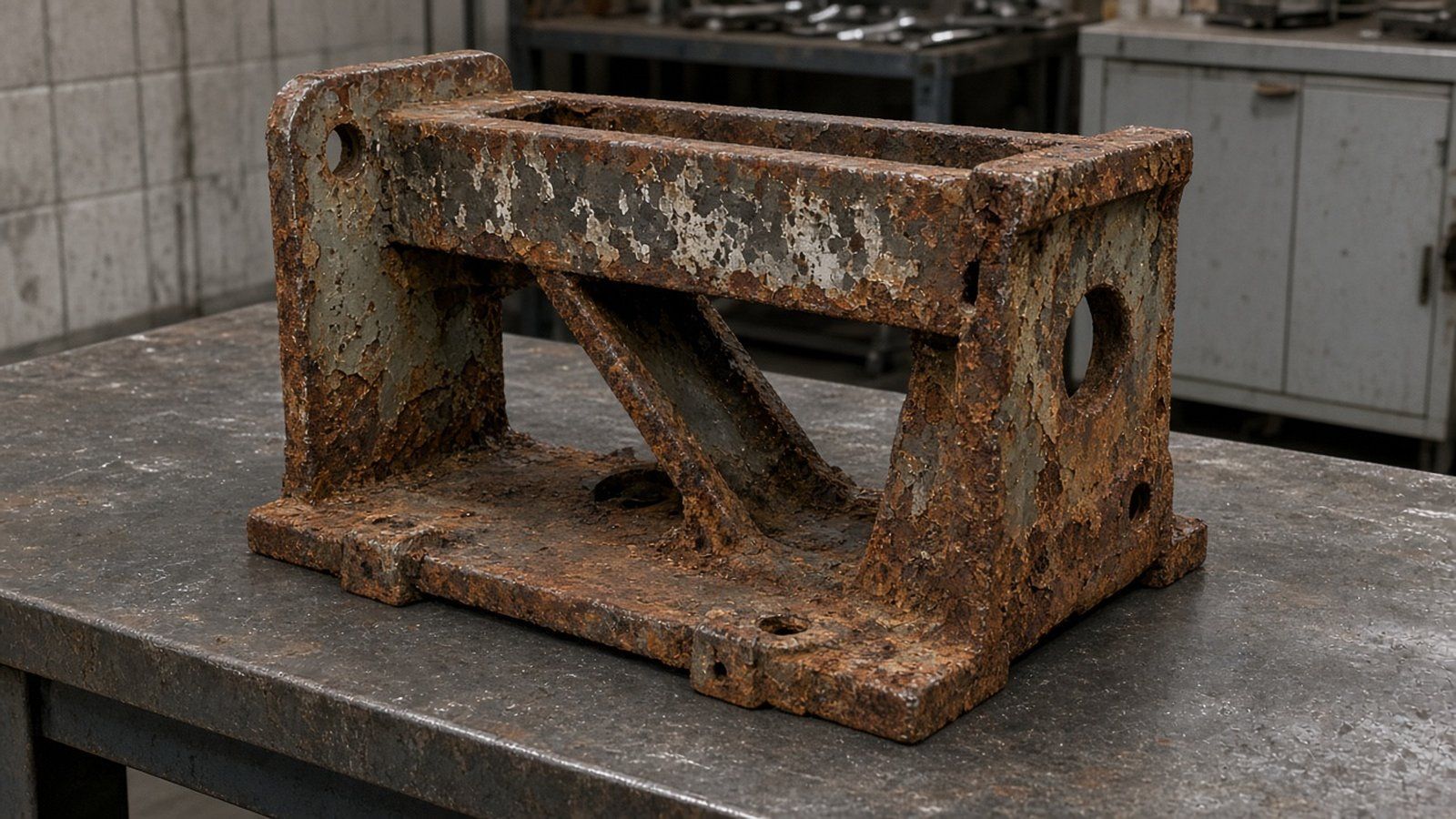
- Heavy scale, pitting, or layered old coatings: significant blasting time before powder is even possible.
That last tier is where quotes climb. Deep rust and multiple generations of old coating mean more time in blasting, more media consumed, and more inspection before the piece is ready. None of that is padding. It's the labor required to make the new finish actually last, and skipping it is the fastest way to coat over a problem instead of fixing it.
Surface Prep: Sandblasting and Media Blasting Needs
If oil, rust, old paint, or mill scale stays on the surface, the coating can chip, peel, or bubble early. That is why surface preparation is usually the largest part of a powder coating job, and why shops that skip it produce finishes that fail early.
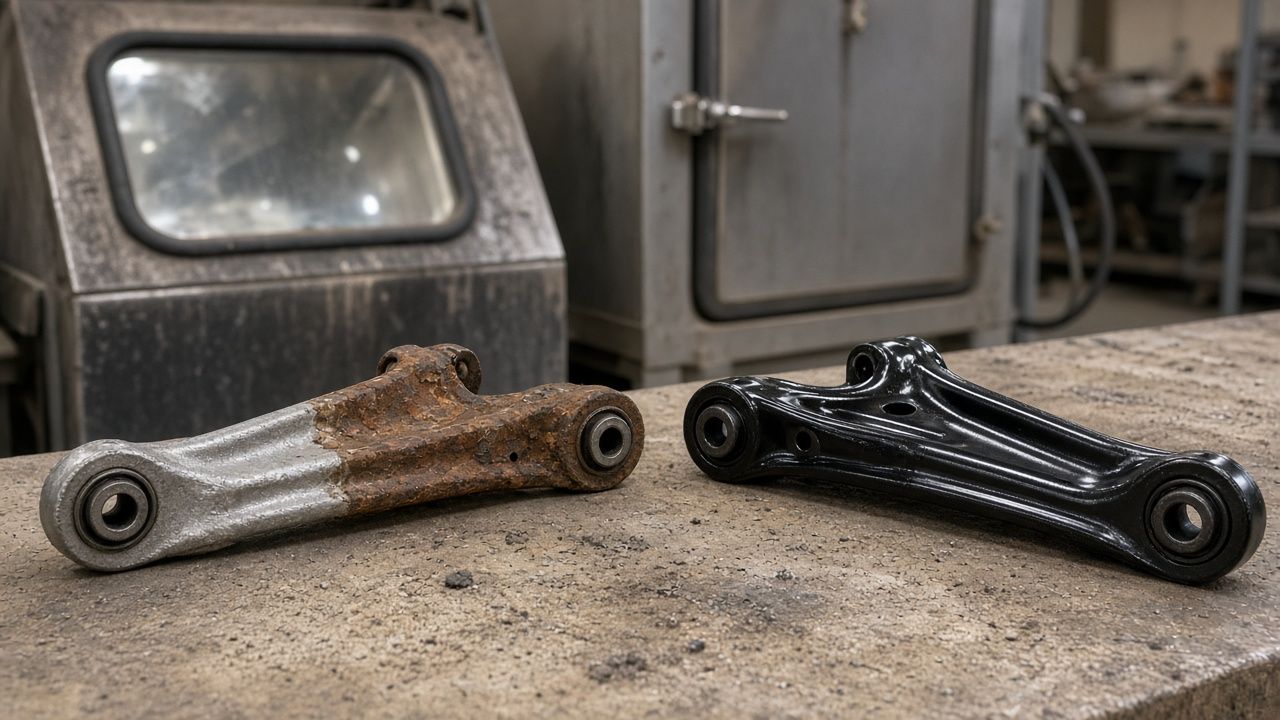
The process starts with removing everything down to bare metal. For parts with existing paint, powder, rust, or heavy oxidation, we blast the surface to strip old coatings and expose fresh metal underneath. Blasting also creates a fine texture, called a profile, that gives the powder something mechanical to grip. Smooth, polished metal looks clean to the eye, but powder needs that microscopic tooth to hold on through years of handling, weather, and temperature swings.
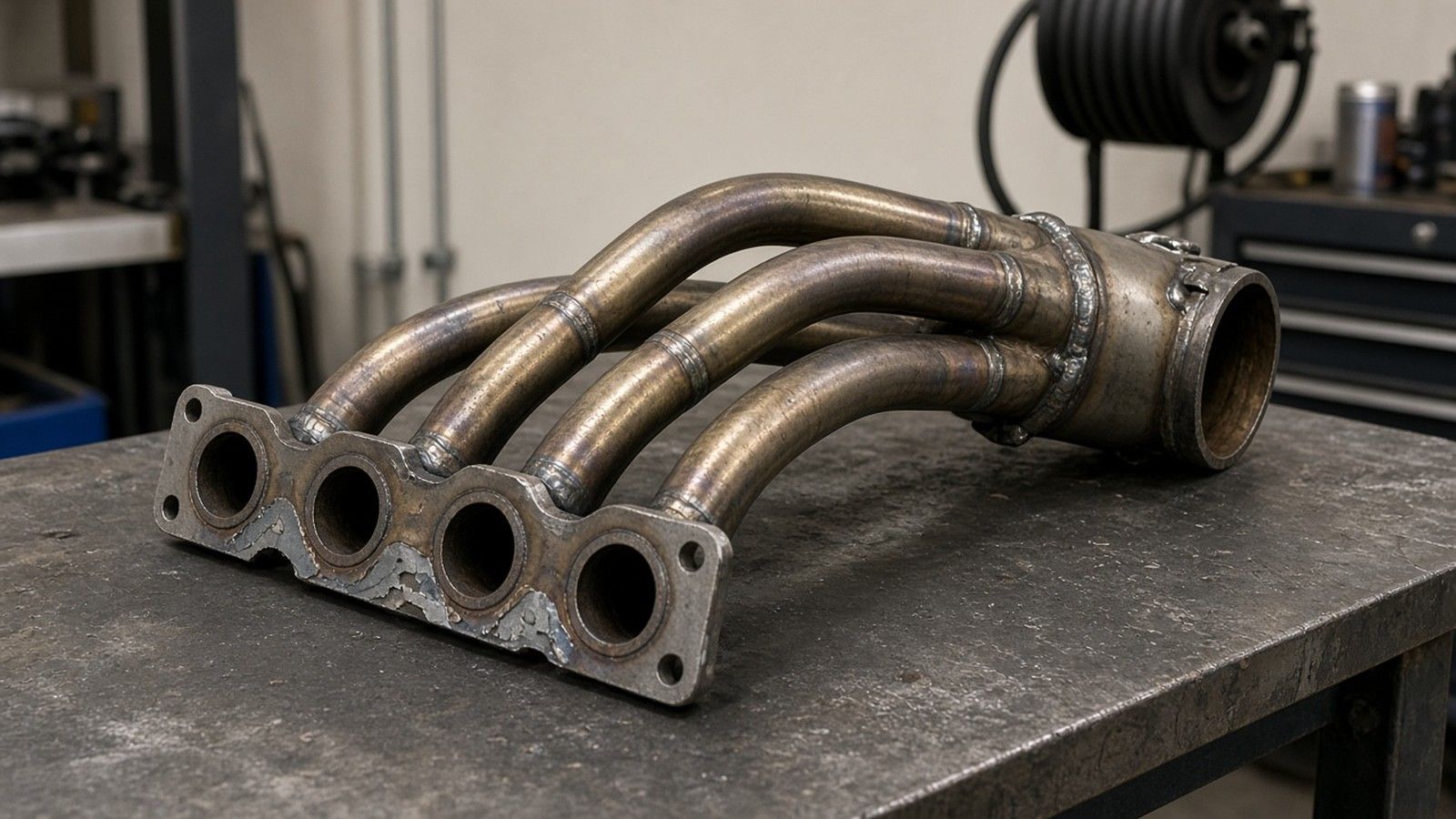
New raw steel still needs degreasing and often a light blast to remove mill scale and shop oils. Welded fabrications need extra attention, because weld spatter, slag, and heat discoloration will telegraph through the finished coating if they are left alone.
You can read more about our blasting process on our sandblasting and surface restoration page, and if you are local to the Santa Fe Springs area, our sandblast and powder coat near me page covers what to expect when you bring parts in for both services.
Once the metal is clean and profiled, masking, cast-part outgassing concerns, and pretreatment still have to be handled before powder goes on. Skipping those steps is one of the most common reasons coatings fail.
Powder Coating Cost Factors at a Glance
Every shop quotes a little differently, but most estimates come down to the same handful of variables. Here is what actually moves your number.
| Cost Factor | What Changes the Quote |
|---|---|
| Part size | Larger parts need more powder, more rack space, and sometimes a bigger oven |
| Part complexity | Deep recesses, tubes, and intricate weldments take longer to spray and mask |
| Metal type | Steel, aluminum, galvanized, and cast parts each need different prep |
| Surface condition | Heavy rust, old paint, or multiple failed coatings add blasting and stripping time |
| Quantity | Single parts cost more per piece; production runs spread setup across the batch |
| Color and finish | Standard colors cost less; custom matches, metallics, and textured finishes add cost |
| Masking requirements | Threads, holes, machined surfaces, and hardware all take labor to protect |
| Cure requirements | Thicker sections and high-temp powders change oven time and scheduling |
Use this table as a mental checklist before you call any shop. If you can answer questions about these eight factors up front, your quote will be more accurate and your job will move faster once it hits the floor.
Finish Selection and How It Changes the Price
Powder comes in a huge range of colors, gloss levels, textures, and chemistries. Standard colors in a smooth finish are usually the most economical because they are widely available and spray and cure predictably. Custom color matching, metallics, candies, wrinkle textures, hammertones, and clear coats each add cost because they take more material, more application skill, or longer cure profiles.
The finish you pick also affects repairability and touch-up down the road. Textured finishes hide minor surface imperfections and fingerprints, which makes them forgiving on parts that live outdoors. High-gloss finishes show every flaw in the substrate, which means the prep underneath has to be flawless too.
Matching the Finish to the Environment
Think about where the part will live before you choose a look. A gate or fence in coastal air faces salt spray and sun every single day, so a weatherable exterior-grade powder matters more than a trendy matte finish. Parts that sit in direct sun need powders with strong UV resistance or the color can chalk and fade sooner than expected.
Indoor parts, decorative pieces, and shop equipment have far more flexibility. A workbench frame, a display rack, or a welding table does not fight the weather, so you can choose based on appearance and budget alone.
For anything touching food, high heat, or chemicals, tell your coater up front. Specialized powders exist for those conditions, but they cost more and not every shop stocks or applies them. Choosing the wrong finish for the environment is one of the fastest ways to waste money on a coating job, because you end up paying twice.
Masking, Hardware, Threads and Moving Parts
Powder coats everything the gun can reach, and once cured, the coating is not coming off without blasting. Anything that must stay clean needs to be masked or removed before we spray.
Threads are the classic example. A threaded hole or bolt that gets powder inside it will not accept hardware afterward without chasing or re-tapping, and a thick coating on a shaft will stop a bearing from sliding on. Machined surfaces, mating faces, bolt holes, and sliding contact points all need plugs, caps, high-temperature tape, or silicone masks.
If your part has hardware attached, the best move is to remove bolts, brackets, hinges, and bearings before you bring it in. That saves masking labor, protects the hardware itself, and gives us clean access to surfaces that would otherwise be shadowed. If you cannot remove something, tell us what needs to stay clear when you request the quote so we can plan the masking before your job is scheduled.
Moving parts deserve special mention. Anything with pivots, slides, or close-tolerance fitment should be discussed in detail. A quarter-millimeter of powder in the wrong place can turn a smooth pivot into a stiff one. We would rather have that conversation before spraying than after.
Commercial vs Residential Metal Coating Jobs
Residential jobs are usually single items or small sets: patio furniture, gates, railings, fire pits, bicycle frames, automotive brackets. They come in as one-off work, and the quoting is straightforward. You describe the parts, we assess prep and finish, and the job runs through the shop alongside other work.
Commercial work is different in scale and in process. Production runs of fabricated parts, repeat batches, fleet components, and architectural metal all need consistent finish quality across dozens or hundreds of pieces, documented processes, and scheduling that keeps a client's assembly line or job site moving. A shop set up for volume can hold color consistency and film thickness across a run in a way a small hobby operation simply cannot.
We handle both. If your business needs recurring coating work, our commercial and industrial powder coating page explains what we can take on and how to set up ongoing work. If you are a homeowner with a couple of chairs and a gate, you get the same prep standards, just sized to the job.
What Photos and Details to Send for an Accurate Quote
The fastest way to get a precise number is to send good information the first time. When you request a free quote, include:
- Photos from multiple angles, including close-ups of problem areas like rust, peeling paint, or damage
- Overall dimensions of each part, or a tape measure in the photo for scale
- The metal type if you know it, especially whether anything is aluminum, galvanized, or cast
- The color and finish you want, or a note that you want help choosing
- What the part is used for and where it will live, indoors or outdoors
- Any surfaces that need to stay clean, like threads, holes, or mating surfaces
- Your quantity if there is more than one of the same part
- Your timeline, so we can tell you honestly how your job fits our schedule
Photos matter more than most people expect. A picture of a rusted bracket tells us instantly how much blasting it needs, while a verbal "it's a bit rusty" could mean anything from light surface rust to deep pitting. The difference between those two conditions changes the quote.
How to Compare Powder Coating Quotes Fairly
When you collect quotes from different shops, compare the whole scope, not just the bottom number. Look at what prep is included. One shop may quote blasting and degreasing as part of the price while another charges it separately, and a low number with no prep included is a job waiting to fail.
Check what finish is quoted. Two quotes for "black" may describe completely different powders, gloss levels, and durability ratings. Ask what happens if the part comes in worse than described, and whether hardware removal is included or expected from you. Ask whether masking of threads and holes is part of the price or billed as extra labor.
Also weigh responsiveness and communication. A shop that asks detailed questions before quoting is usually a shop that will ask detailed questions during the job, and that is what you want.
Common Buyer Mistakes That Raise Costs
The most expensive mistakes happen before the part ever reaches the shop. Bringing in parts still assembled with hardware, bearings, rubber, plastic, or wood attached adds removal and masking labor, and some attached materials cannot survive the cure oven at all, which can force rework or damage the part.
Waiting too long matters too. Heavily rusted metal pits as it sits, and pitting takes more blasting and may still show through the finish. Coating over a problem never fixes it; it only seals it in. Another common one is changing the color or finish after the job is already in process, which can waste material and restart scheduling. Decide on the finish before the powder goes on.
When Powder May Not Be the Best Path
Powder coating is the right finish for a lot of metal work, but not every piece. A good shop will say so when it is not the right fit. Parts with rubber, plastic, wood, or low-temperature components that cannot be removed will not survive the cure oven. Very thin or heat-sensitive substrates can warp. Parts that are extremely large need an oven sized for the job, so check dimensions with us before assuming anything fits.
Some items with existing coatings in poor condition may not be economical to restore at all, and we would rather tell you that during quoting than take your money for a finish that will not last. Some small touch-up repairs are better served by other methods than stripping and recoating an entire assembly. If your job fits any of these descriptions, send photos anyway and ask for a straight answer before you commit.
Getting a Quote from Proper Motion 714
If you want a real number for your gates, railings, trailers, or fabricated metal, send clear photos and dimensions through the
free quote request. You can also call (714) 686-2306, or drop the pieces off at 14000 Rosecrans Ave, Santa Fe Springs, CA 90670 during published hours: Monday through Friday 6:00 AM to 7:00 PM, Saturday 6:00 AM to 4:00 PM, Sunday closed. The shop serves Santa Fe Springs, Whittier, Norwalk, Long Beach, and nearby communities across Los Angeles County and Orange County. Photos get you an inspection-based estimate based on prep, finish, and masking for the actual parts, not a guess from a rate card.
Recent Posts